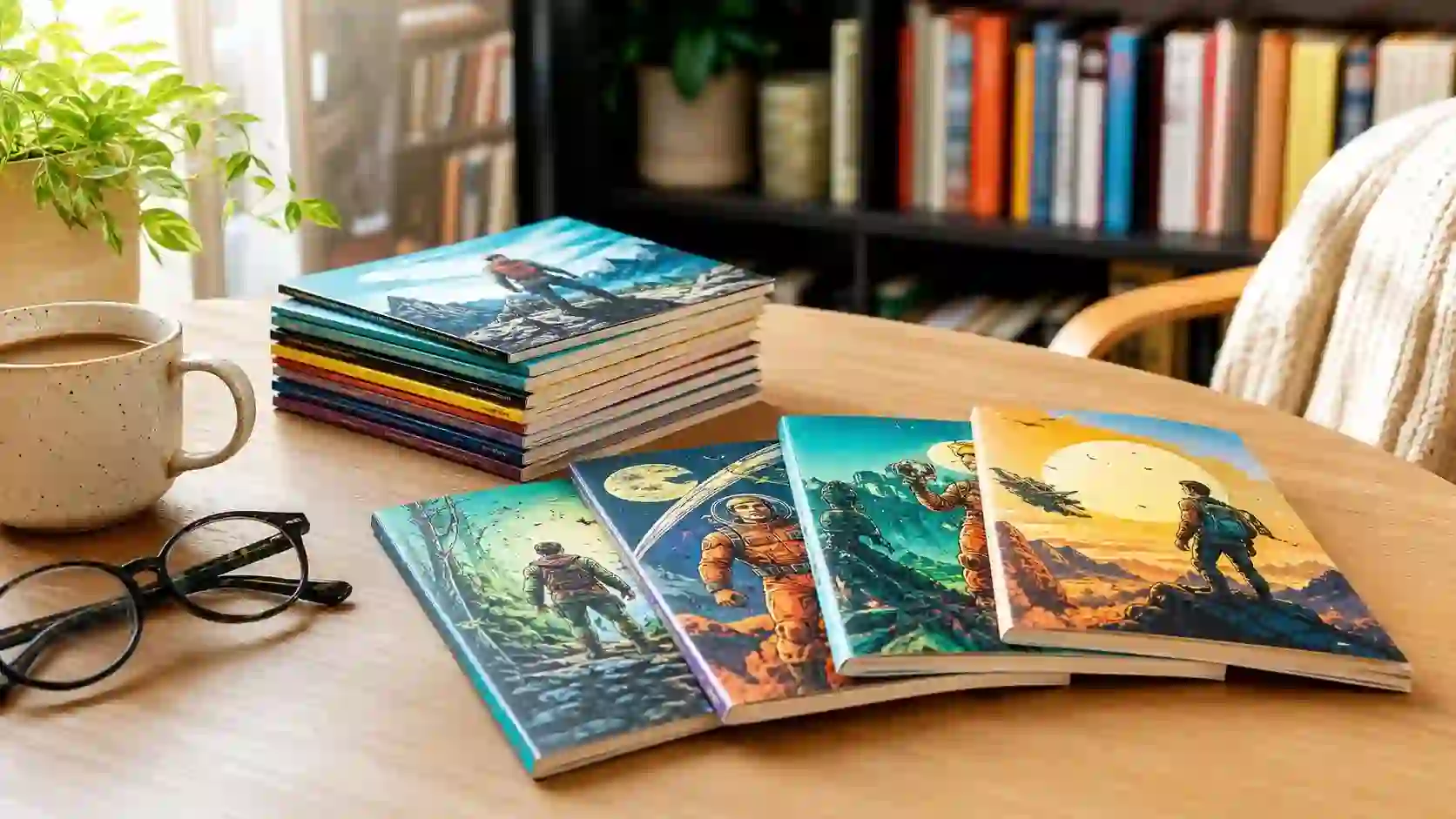
Your complete, people-first guide to Germany’s most beloved Disney pocket book series — from its brilliant history and unforgettable characters to smart collecting tactics and where you secure authentic copies today.
Do you feel overwhelmed by hundreds of pocket books and not know where to start? Many new readers buy random issues, miss key stories and overpay for common editions. This guide solves that. You receive a clear, joyful roadmap that explains what makes Lustiges Taschenbuch special, which editions deserve your attention and how you build a collection you love without waste.
What Is Lustiges Taschenbuch and Why Do Millions Love It?
The pocket book series that Germans call LTB is a German-language Disney comics anthology published by Egmont Ehapa. Each volume packs about 250 pages with multiple complete stories that feature Donald Duck, Mickey Mouse and the wider Duckburg and Mouseton cast. Readers love the compact format because it fits in a jacket pocket, survives travel and delivers hours of cheerful entertainment for a fair price.
This anthology earns its reputation through variety. You open one book and you encounter a funny Donald Duck slapstick story, a clever Mickey Mouse detective adventure and an epic Scrooge McDuck treasure hunt. The mix keeps every issue fresh. Families appreciate the positive humor, clear language and moral lessons that reward curiosity, courage and friendship.
Millions of readers in Germany, Austria and Switzerland grew up with the series. Parents hand their childhood copies to their kids. Collectors hunt first editions. Casual readers pick up the latest issue at a kiosk. That shared experience creates a cultural bond that few other comic series achieve in German-speaking Europe.
- Format: Pocket book, approx. 12.5 × 19 cm, 250+ pages, softcover
- Publisher: Egmont Ehapa Media (Berlin), licensed by The Walt Disney Company
- Abbreviation: LTB — used by fans, dealers and the publisher
- Frequency: Monthly main series plus numerous special editions throughout the year
- Target group: Children, families, nostalgic adults and dedicated collectors
Another reason for its enduring charm is accessibility. You do not need to follow a strict continuity. Each story stands alone, so you start with any volume and still enjoy the adventure. That low barrier invites new readers and sustains lifelong fans.
When Did the First Disney Pocket Book Appear in Germany?
The story starts in Italy. In 1949, publisher Mondadori launched Topolino pocket books that reprinted American Disney comics in a handy format. The idea spread quickly. German publisher Ehapa adopted the concept and released the first German pocket book in 1967. It carried the title “Der Kolumbusfalter und andere Abenteuer” and introduced Duckburg to a new generation.
Early volumes translated Italian stories by masters such as Romano Scarpa and Giovan Battista Carpi. The German team added its own lettering, coloring and witty dialogues that matched local humor. Sales rose fast. By the mid-1970s, the series reached a stable monthly rhythm that continues today.
Key milestones show steady growth:
- 1967: LTB 1 publishes — 250 pages, five stories, price 2.50 DM
- 1980s: Introduction of recurring creators such as Massimo De Vita and Giorgio Cavazzano
- 1990s: Launch of side series such as LTB Spezial and LTB Enten-Edition, each with a thematic focus
- 2000s: Digital coloring, crisper printing and more German-original stories
- 2010s–2020s: Anniversary editions, premium hardcovers and online fan community expansion
Today Egmont Ehapa curates stories from Italy, Denmark, the Netherlands and Germany. Editors select the strongest adventures, commission new translations and ensure every volume balances humor, mystery and heart. The archive now exceeds 580 main volumes plus hundreds of specials.
Historical context matters for collectors. The first 20 volumes carry higher value because initial print runs were modest. Volume 1 in good condition ranks among the most sought-after German comics. Later volumes remain affordable, which helps newcomers build a library without pressure.
Who Are the Most Beloved Characters Inside Every Issue?
Duckburg and Mouseton deliver a colorful ensemble. Each character brings a distinct personality, and writers use those traits to create dynamic plots that feel familiar yet surprising.
The Core Family
Donald Duck leads many stories. He juggles jobs, bad luck and a big heart. Readers root for him because he never quits, even when a perfect plan collapses in a hilarious way. Daisy Duck adds wit and independence, while Huey, Dewey and Louie bring clever teamwork and the Junior Woodchucks’ guidebook wisdom.
Scrooge McDuck (Dagobert Duck) drives the epic treasure hunts. His sharp mind and love for adventure push the gang across deserts, oceans and even space. Grandma Duck and Gyro Gearloose provide warmth and wild inventions that spark comic chaos.
The Mouseton Heroes
Mickey Mouse (Micky Maus) stars in mystery and detective tales. He solves crimes with optimism and smart deduction, often supported by Goofy, whose clumsy kindness accidentally unlocks the solution. Minnie Mouse, Chief O’Hara and Phantom Blot round out Mouseton’s world.
The Rivals and Villains
Every hero needs a foil. Gladstone Gander tests Donald’s patience with effortless luck. Magica De Spell chases Scrooge’s Number One Dime. The Beagle Boys bungle every heist with comical overconfidence. Pete (Kater Karlo) challenges Mickey with brute force, while Flintheart Glomgold rivals Scrooge in business battles.
Writers weave these characters together to explore themes of perseverance, fairness and imagination. A single volume may show Donald learning humility, Mickey modeling calm leadership and Scrooge discovering that friendship outweighs gold. That layered storytelling explains why adults enjoy the books as much as kids.
- For young readers: Clear morals, visual gags and safe excitement
- For teens: Clever puzzles, travel settings and character growth
- For adults: Satire, cultural references and gorgeous artwork
How Is Each Issue of Lustiges Taschenbuch Structured for Great Reading?
Each issue of Lustiges Taschenbuch follows a proven formula that balances length, pacing and surprise. Editors open with a strong lead story of 30 to 50 pages that hooks you instantly. They follow with a mid-length adventure of 20 to 30 pages that shifts tone, perhaps from comedy to mystery. They close with shorter 8 to 15 page gag stories that leave you smiling.
A typical volume contains 4 to 7 stories. You receive a title page, a contents list and clean chapter breaks that help you pause and resume easily. The paper is lightweight but opaque, so colors stay vivid and the book stays portable.
Inside the Production Process
The production team selects stories months in advance. Translators adapt dialogue to German idioms while preserving character voices. Letterers place speech balloons for natural flow. Colorists ensure skin tones, skies and night scenes look consistent across stories from different studios. Proofreaders check names, continuity and jokes.
Modern volumes also include subtle editorial extras. You sometimes find a one-page fun fact about Duckburg, a preview of the next issue or a small reader contest. Special editions add themed introductions that explain the focus, such as space, history or football.
Reading experience remains central. The pocket size encourages one-hand reading on trains, sofas or park benches. Short chapters let you finish a complete adventure in 15 minutes. That design respects busy schedules and supports healthy reading habits for kids.
- Pacing: Long, medium and short stories alternate to maintain energy
- Genres: Comedy, adventure, mystery, science fiction, historical parody
- Art styles: Classic Disney, dynamic Italian, clean Danish linework
- Dialogue: Witty, concise and age-appropriate without dumbing down
What Makes This Disney Comic Series Different From Other Comics?
German kiosks offer many comics, from superhero sagas to manga. This pocket book stands apart through its anthology model, all-ages tone and creator diversity. Unlike single-hero monthlies that demand long continuity, it offers self-contained stories that welcome beginners.
The series also blends European and American comic traditions. Italian artists bring cinematic layouts and expressive acting. Danish and Dutch writers contribute tight mystery plots. American roots provide iconic character cores. German editors unify those influences with precise translation and consistent quality control.
Another difference is value. For roughly the price of two standard comics, you receive a thick volume with several complete adventures and no ads. That economy, plus the sturdy softcover that survives backpacks, gives families a dependable entertainment option.
- All-ages craftsmanship: Visual humor for kids, layered jokes for adults
- Standalone joy: Start at any volume — no prior knowledge required
- Educational bonus: Geography, history and science appear through fun quests
- Collectability: Numbered spines create a satisfying shelf mosaic
Finally, community sets the series apart. Fan forums, wikis and local comic fairs celebrate covers, rank stories and share hunting tips. The publisher listens, invites reader polls and occasionally reprints fan favorites. That dialogue builds loyalty that transcends the page.
Which Are the Most Popular Editions and Special Series of Lustiges Taschenbuch?
The main monthly line forms the backbone, but the universe around it excites collectors. Each side series explores a clear theme, so you choose based on taste rather than guesswork. The table below maps the most important lines.
| Edition / Series | Publisher & First Year | Frequency | Page Count & Focus | Perfect For |
|---|---|---|---|---|
| LTB Main Series | Egmont Ehapa, 1967 | Monthly (12 / year) | 250+ pages — Mix of comedy, adventure, mystery | New readers, core collectors |
| LTB Spezial | Egmont Ehapa, 1998 | 6× per year | 300+ pages — Single theme (crime, fantasy) | Fans who love deep dives |
| LTB Enten-Edition | Egmont Ehapa, 2000 | 6× per year | Duck family focus — Donald & Scrooge sagas | Duckburg loyalists |
| LTB Maus-Edition | Egmont Ehapa, 2003 | 4× per year | Mickey & Goofy detective tales | Mystery lovers |
| LTB Premium / Premium Plus | Egmont Ehapa, 2011 | Occasional | Hardcover, artist spotlights, top-tier stories | Art-focused collectors |
| LTB Crime / Fantasy / History | Egmont Ehapa, 2015– | Themed specials | Curated genre collections | Genre explorers |
| LTB Jubiläumsedition | Egmont Ehapa, Anniversary years | Irregular | Best-of selections, gold foil covers | Gift buyers & completists |
| LTB Advent & Seasonal | Egmont Ehapa, Annual | Seasonal | Holiday stories, advent calendar format | Families & seasonal readers |
Smart tip: Start with the main series for breadth, then add one themed line that matches your favorite character. That approach keeps spending focused and joy high.
The special series also spotlight creators. Premium volumes feature deep dives on Don Rosa, Marco Rota or Floyd Gottfredson, with commentary that explains artistic choices. Crime and Fantasy collections gather atmospheric stories that showcase darker colors, clever twists and cinematic pacing.
Limited covers add excitement. Anniversary volumes use foil, embossing or slipcases. Advent books hide 24 mini-comics. Those touches delight kids and give display value to collectors who enjoy a beautiful shelf.
How Do You Start a Smart and Joyful Comic Collection?
You build a great collection by choosing a clear goal, tracking what you own and celebrating progress. The method below keeps costs low and motivation high.
Step 1 — Define Your Focus
Decide what delights you most. Some readers chase every main number from 1 to today. Others collect only Duckburg treasure hunts or only Mickey detective cases. A focused goal prevents random buying and helps you spot gaps fast.
Step 2 — Create a Simple Inventory
Use a spreadsheet or a collector app. Record issue number, title, condition and price paid. Add a wishlist column for missing volumes. A quick photo of each spine helps you avoid duplicates at flea markets.
Step 3 — Learn Condition Grading
Condition drives price. A near-mint copy with a sharp spine and clean pages commands more than a reading copy with creases. For reading pleasure, a good or very good grade suffices. For investment, aim for very fine or near mint and store books upright, away from sunlight and moisture.
- Set a monthly budget: Small, steady spending beats big, impulsive hauls
- Hunt in rounds: Check kiosks, bookstores, flea markets and trusted online shops in rotation
- Trade with peers: Swap duplicates in fan groups to fill gaps without cash
- Protect your books: Use acid-free backing boards for prized early numbers
New collectors often wonder about reprints. The publisher reprints popular early volumes as second editions. Reprints allow cheap reading, while first editions retain collector value. Knowledge of that distinction protects you from overpaying.
Finally, enjoy the hunt. Visit a comic fair, ask sellers about provenance and celebrate each milestone — your first 10, your first 50, your first complete year. The stories matter more than the numbers, so read every new issue of Lustiges Taschenbuch with a hot chocolate and a smile.
What Is the Value and Rarity of Vintage Issues Today?
Value depends on rarity, condition, demand and completeness. Early numbers had smaller print runs and many copies suffered heavy reading wear, so high-grade survivors fetch premium prices.
- LTB 1 (1967): First edition in near-mint condition often lists between €400 and €900 among dealers; good reading copies trade for €80 to €180.
- LTB 2–20: Frequently range from €30 to €150 depending on condition and edition.
- LTB 21–100: Common in very good condition, typically €8 to €25 each; complete decades attract bundle buyers.
- Modern issues (200+): Cover price or slightly above; value lies in enjoyment and series completion rather than speculation.
- Specials and Premium hardcovers: Limited prints can appreciate, especially signed or foil variants.
Price guides in fan wikis and dealer catalogs track sales, but real market prices fluctuate with supply and nostalgia waves. Anniversary years often spike interest. A fair approach checks recent sold listings rather than asking prices alone.
Condition grading uses clear language: mint, near mint, very fine, fine, very good, good and fair. Sellers should state defects such as spine rolls, price sticker residue or browned pages. Buyers should request spine, cover and interior photos before they pay.
Storage preserves value. Keep books vertical, not stacked flat. Avoid attics with heat swings. Slip a thin acid-free paper between a prized first edition and its neighbors to prevent color transfer. Handle with clean hands and you protect both art and investment.
Where Can You Buy Authentic Lustiges Taschenbuch Today?
Authentic copies are easy to secure when you know where to look. The publisher, reputable bookstores and trusted collector dealers all offer safe paths.
- Official shop — Egmont Ehapa: Buy new releases, subscriptions and seasonal specials direct from the publisher with guaranteed authenticity and subscriber bonuses.
- Bookstores and kiosks: Thalia, Hugendubel, Press & Buch and local comics shops stock the main series on release day. Staff can order missing numbers.
- Large online retailers: Use sold-by-publisher listings on Amazon.de or buecher.de and verify “new” condition and publisher name.
- Collector platforms: eBay.de (filter for top-rated sellers), Comic-Marktplatz and fan forum marketplaces — always check seller ratings, photos and return policy.
- Flea markets and fairs: Inspect books in person; negotiate bundles for better per-book prices.
Subscriptions deserve attention. A direct subscription delivers each new volume to your door, often with a small discount, exclusive covers or a starter gift. It also prevents missed issues that later cost more as back issues.
Beware of counterfeits and misleading reprints. Authentic copies display the Egmont Ehapa imprint, a valid ISBN and consistent printing quality. Extremely low prices for early numbers signal a reprint or a damaged copy. Ask for the edition statement on the copyright page.
For families, libraries offer a cost-free test. Borrow a few volumes, note which stories spark the biggest laughs and then buy the themed line that matches that taste. That trial reduces waste and builds excitement before you invest.
How Does This Cult Comic Inspire Young Readers and Families?
Teachers and parents praise the series for its gentle power to turn reluctant readers into eager ones. Short chapters, visual context and humorous cliffhangers lower reading anxiety. Kids finish a complete adventure quickly and receive an immediate sense of achievement.
Stories model positive behavior without lecturing. Donald learns to apologize after a stubborn mistake. Mickey demonstrates calm problem solving under pressure. Scrooge shows that hard work and curiosity open doors. Those examples stick because humor makes them memorable.
Language development also benefits. Translators use rich German vocabulary, playful idioms and varied sentence rhythms that expand word knowledge naturally. Kids encounter geography through treasure maps, history through parodies and science through Gyro’s inventions, all wrapped in laughter.
- Family ritual: Read aloud one story per evening and discuss the moral together
- Creative follow-up: Draw your own Duckburg map or write a one-page sequel
- Learning link: Connect a history parody to a short museum visit or documentary
- Screen balance: Offer a pocket book as the cozy alternative to scrolling
Schools sometimes use the books in reading corners. The self-contained format lets teachers assign a single story for group discussion. Students compare character choices, predict endings and practice summarizing — all core literacy skills delivered with joy.
What Do Long-Time Readers and Experts Say About the Series?
Experience builds trust. Long-time readers, translators and comics scholars point to three strengths: editorial curation, translation quality and artistic range.
Translators such as Dr. Erika Fuchs shaped the German voice of Duckburg with witty wordplay that still influences new editions. Her legacy teaches modern translators to balance fidelity and flavor. Artists like Don Rosa and Massimo De Vita receive frequent praise for cinematic pacing and expressive acting that rewards careful viewing.
Fan communities run detailed indexes that catalog every story, creator and first publication. Those databases help buyers verify edition statements and avoid duplicate purchases. Conventions in Munich, Berlin and Cologne host panels where editors explain selection criteria and answer reader questions directly.
- Editorial care: Editors select only strong, complete stories rather than filler
- Translation art: German dialogue preserves jokes while sounding natural to local readers
- Visual education: Varied art styles train the eye to appreciate composition and color
Critics also note the series’ role in preserving Disney comics heritage. By reprinting classic Gottfredson Mickey serials alongside new European adventures, the pocket books create a living archive that new readers discover effortlessly.
How Will the Future of Disney Pocket Books Look?
The future looks bright because the format adapts while it keeps its heart. Print remains the core — the tactile joy of turning pages, collecting spines and sharing books at home. At the same time, the publisher tests digital access through apps and e-book bundles that reach readers who prefer tablets.
Expect more curated theme lines, premium artist editions and sustainable printing choices. Readers ask for recycled paper, vegetable inks and durable bindings, and the publisher responds with incremental improvements that protect quality and planet alike.
Community interaction will grow. Reader polls already influence reprint choices. Social channels preview covers, share creator interviews and host live Q&A sessions. That openness invites new fans and keeps veteran collectors engaged.
For families, the promise is simple: more laughter, more discovery and more stories that bring people together around a small book with a big soul.
Frequently Asked Questions About Lustiges Taschenbuch
What is Lustiges Taschenbuch and who publishes it?
This beloved pocket book series is a German-language Disney comics anthology published by Egmont Ehapa Media under license from Disney. Each monthly volume collects several complete stories with Donald Duck, Mickey Mouse, Scrooge McDuck and friends in a portable 250-page format.
How many issues exist and do I need to read them in order?
The main series exceeds 580 volumes plus hundreds of specials. You do not need to read in order because each story stands alone. Start with any recent issue, then explore themed lines that match your favorite characters.
What is the difference between first editions and reprints?
First editions show the original publication year on the copyright page and often carry higher collector value. Reprints use the same content with a later printing date and serve as affordable reading copies.
Where can I buy authentic Lustiges Taschenbuch issues safely?
Buy new issues from Egmont Ehapa’s official shop, reputable bookstores and verified online retailers. For vintage numbers, choose top-rated sellers on eBay.de or trusted comic marketplaces and request clear photos of cover, spine and copyright page.
Are the books suitable for children and language learners?
Yes. The stories use age-appropriate humor, clear language and visual support that helps young readers and German learners build vocabulary, comprehension and confidence while having fun.
How should I store and protect my collection?
Store books upright, away from direct sunlight and damp. Keep prized early volumes in acid-free sleeves, handle with clean hands and avoid stacking heavy piles that warp spines.
Ready to Start Your Own Adventure?
You now hold the full map: what Lustiges Taschenbuch is, how it began, who stars inside, how each volume works and how you collect with joy and confidence. The next step is simple — pick one volume that matches your curiosity and read it today. Feel the humor, admire the art and share the best story with someone you love.
Build your shelf one brilliant book at a time. Subscribe to the main series, add a themed line you adore and track your progress. Your collection will grow, your reading joy will rise and your family will gain a cheerful tradition that lasts for years. Start now — your favorite Duckburg adventure waits.