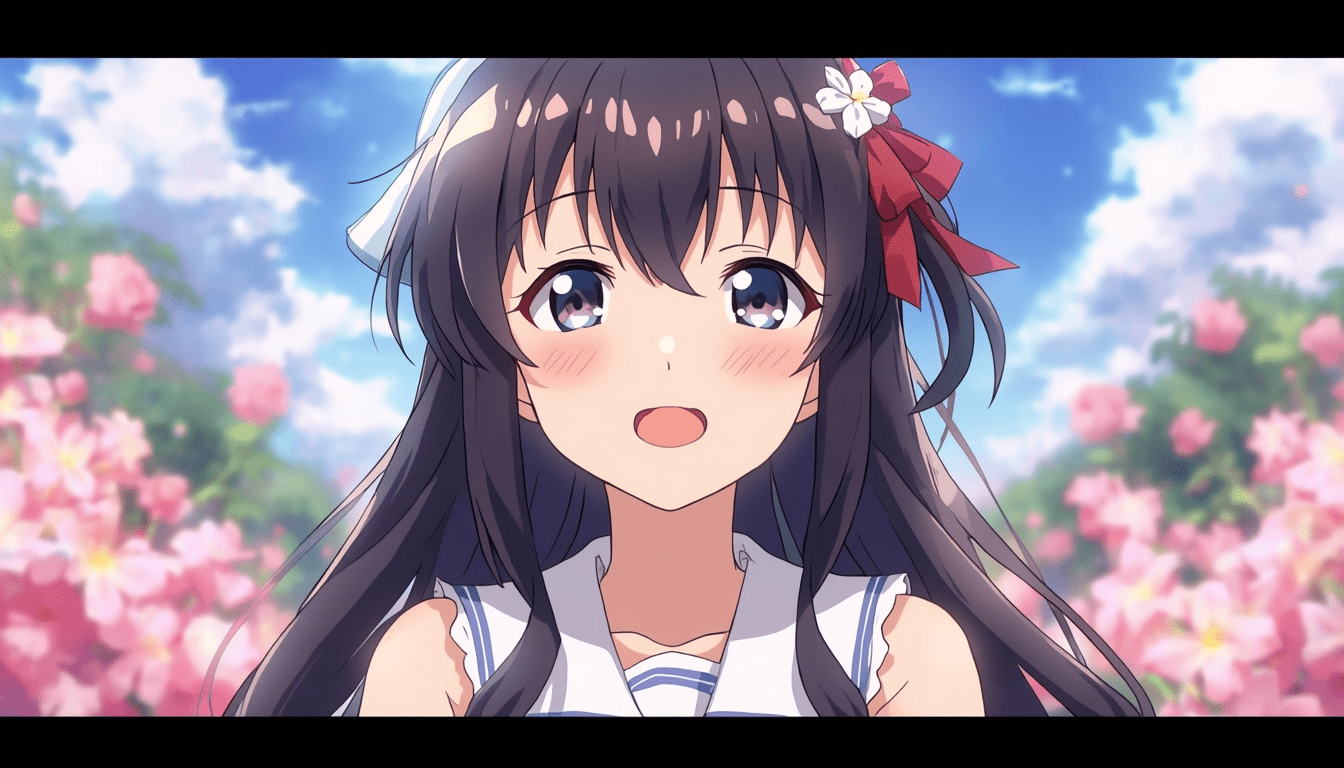
You hear her voice before you see her face—a tone that holds laughter and hidden storms in equal measure. Within seconds, you care. That instant connection defines the anime girl phenomenon. She is not merely a drawing. She is a cultural force built on decades of artistic evolution, emotional storytelling, and a unique bond between creator and audience. Grasping what makes an anime girl resonate means unlocking a language that crosses oceans and generations without missing a beat.
The Core Identity of an Anime Girl
An anime girl operates as a character type born from Japanese animation, yet her identity stretches far beyond simple definition. She carries narrative weight. She embodies themes of hope, sorrow, rebellion, or quiet resilience. Unlike many female characters in early Western cartoons, the anime girl rarely exists just to support a male lead. She drives plots, makes devastating choices, and earns her moments of triumph.
Viewers latch onto her because her emotional life feels accessible. A tearful confession under cherry blossoms or a fierce battle cry against impossible odds taps into something primal. The anime girl gives permission to feel intensely. That permission explains why audiences return to her stories again and again, treating them as companions rather than simple entertainment.
Historical Roots That Shaped the Anime Girl
Before the modern anime girl could dominate screens, Osamu Tezuka planted the seeds in the 1950s and 60s. His large-eyed heroines borrowed the emotional expressiveness of Disney animation and married it to Takarazuka Revue stage drama. Princess Sapphire emerged as one of the first female leads who carried both sword and heart, establishing a template of strength mixed with vulnerability.
The 1980s brought economic confidence and powerful heroines like Nausicaä, who led with empathy. The 1990s exploded with magical girl series that cemented the anime girl as both commercial titan and emotional icon. Every decade added layers. The lineage from Tezuka’s experimental frames to today’s streaming hits remains unbroken. Recognizing that history deepens your appreciation for why a modern anime girl looks and feels the way she does.
The Hidden Language of Anime Eyes
Anime eyes serve as the command center of character expression. Their oversized nature isn’t a stylistic whim; it creates a generous canvas for emotional signaling. Animators place multiple light reflections—often three or four—to simulate a living gaze. When those highlights vanish, despair floods the screen. When they shimmer and expand, hope surges back.
Key traits of anime eyes include:
- Colors tied to personality traits (crimson for fierce passion, amethyst for mystery, soft green for healing)
- Eyelash shapes that instantly communicate age and temperament
- Subtle pupil dilation cues that mirror real human attraction or fear
A viewer processes an anime girl’s eye shift in fractions of a second. The brain registers the sparkle, the slight droop, the narrowing of lids, and translates them into pure feeling. That efficiency gives anime eyes their legendary power.
How Hair Color Defines Anime Girl Personalities
Hair in anime acts as a visual signature. A pink-haired anime girl often radiates gentle warmth or an otherworldly sweetness. Deep blue locks hint at intelligence and inner calm. Fiery red signals impulsive courage. Twin tails suggest youthful energy, while long, flowing strands frequently symbolize elegance or a connection to tradition.
This color-coded shorthand lets creators introduce anime characters within seconds. You recognize archetypes before a single line of dialogue lands. Yet the most memorable anime girl designs twist these expectations. A sweet pink-haired character might harbor steely resolve. A cool blue-haired strategist may crack open to reveal devastating vulnerability. The framework exists to be played with, not obeyed.
Moe and the Emotional Science Behind Connection
Moe describes the protective affection that sparks when you meet a character who tries hard and wears her heart openly. An anime girl doesn’t need to be weak to generate moe. Often, the strongest warriors evoke the most powerful nurturing instincts because the gap between their battle-hardened exterior and hidden softness creates magnetic tension.
Research into media attachment points toward real neurological engagement. When you follow an anime girl through triumphs and heartbreaks, your brain activates social bonding pathways similar to those used in real-world relationships. That science backs up what fans already know: your care for her is not pretend. It is genuine emotional wiring responding to masterful storytelling.
Breaking Down Popular Anime Girl Archetypes
Many anime characters fit recognizable personality molds, yet the best examples transcend their labels. Use this table as a quick reference for the emotional blueprint each type carries.
| Archetype | Core Emotion | Standout Example |
|---|
| Tsundere | Fear behind aggression | Rin Tohsaka (Fate/stay night) |
| Yandere | Love twisted into obsession | Yuno Gasai (Future Diary) |
| Kuudere | Frozen grief hiding warmth | Rei Ayanami (Neon Genesis Evangelion) |
| Dandere | Paralysis blooming into courage | Hinata Hyuga (Naruto) |
| Genki | Joy as armor against despair | Mako Mankanshoku (Kill la Kill) |
A well-written anime girl uses her archetype as a launchpad. The tsundere who realizes her anger masks fear. The genki girl whose energy crumbles in private. Those layers turn anime characters from cardboard cutouts into people you carry with you long after the credits roll.
Anime Characters Versus Western Heroines
Comparing anime characters with typical Western female leads reveals a crucial difference in emotional range. Western animated heroines historically leaned toward sarcastic warriors or damsels awaiting rescue. The anime girl landscape refuses that binary. One series offers a soft-spoken artist who reshapes the world through compassion. Another delivers a battle-scarred soldier navigating trauma without losing her humanity.
That variety trains audiences to accept multidimensional womanhood as standard, not exception. The anime girl ecosystem thrives because it makes room for gentle souls, furious avengers, and everything between. No single note dominates, and that diversity keeps the medium endlessly renewable.
Cosplay: Transforming an Anime Girl Into Reality
Cosplay pulls the anime girl off the screen and into three dimensions. Walking through a convention, you witness dozens of fans who have recreated intricate costumes, sculpted wigs, and practiced mannerisms until the character breathes through them. The craftsmanship speaks volumes. Replicating those signature anime eyes with makeup and lenses demands meticulous skill.
Cosplayers often describe an almost sacred moment when they first embody their chosen anime girl. The act transcends dressing up. It channels the courage, kindness, or ferocity they admire. Experienced creators mentor newcomers through every step, from heat-forming armor to choosing the right adhesive. Through this practice, the anime girl becomes a bridge to real-world artistry and genuine community.
The Waifu Factor: Deep Bonds and Market Power
The term “waifu” began as playful slang and grew into a serious cultural and economic force. When a fan labels an anime girl as their waifu, they announce a deep, loyal attachment that echoes romantic devotion. Companies respond with limited-run figurines, art books, and exclusive merchandise that celebrate this bond.
Critics sometimes dismiss waifu culture, but doing so overlooks its emotional foundation. Collecting a high-quality figure of a cherished anime girl acts as a form of preservation. It keeps the character physically present in a fan’s life long after her series concludes. Master sculptors labor to capture the exact expression that first pierced the heart, honoring the connection with artisanal care.
Anime Girl Epics in Gaming and Visual Novels
Video games and visual novels deepen the anime girl experience by handing you a role in her story. You make choices that alter her fate. You witness her unravel when you fail and bloom when you succeed. Games like Clannad or Persona 5 Royal build entire emotional architectures around their female anime characters, using interactivity to forge bonds that passive watching cannot match.
Designers weaponize anime eyes changes in real time. A heroine’s irises lose their gleam mid-sentence, and your stomach drops before any explanation arrives. You feel responsible. That mechanic turns the anime girl from a figure you observe into a relationship you maintain, and the weight of that responsibility sticks with you.
Critiques and Feminist Reexaminations
Honest analysis demands acknowledging where the anime girl portrayal stumbles. Some series reduce her to awkward fan service, stealing agency for cheap visuals. Feminist scholars push back forcefully against designs that prioritize skin over substance. However, painting the entire medium with that brush erases its revolutionary figures.
Major Motoko Kusanagi in Ghost in the Shell leads with authority and philosophical gravity. Revolutionary Girl Utena dismantled gender expectations and remains breathtakingly radical. The anime girl can carry problematic baggage while also housing some of animation’s most empowered female anime characters. The best creators answer criticism by writing richer, more respectful portrayals that honor complexity and reject reduction.
Global Ripple Effects of the Anime Girl Aesthetic
The influence of the anime girl now pulses through global entertainment. Western shows borrow her large anime eyes and emotionally direct storytelling. Steven Universe and Star vs. The Forces of Evil wear their anime-inspired hearts openly. Fashion runways reinterpret sailor uniforms and pastel hair born from decades of anime girl design. Music videos deploy glittering magical transformation sequences lifted directly from the shoujo playbook.
This exchange moves both ways. Contemporary anime characters absorb international sensibilities while protecting their uniquely Japanese emotional vocabulary. The anime girl has become a visual and narrative dialect understood from São Paulo to Seoul, one of the most significant cultural exports of the last sixty years.
Frequently Asked Questions
What exactly is an anime girl?
An anime girl is a female character from Japanese animation, built with stylized features such as large anime eyes and emotionally layered storytelling that often prioritizes inner life over surface-level decoration.
Why are anime eyes so exaggerated?
Anime eyes magnify emotion. Their size and highlight system let animators broadcast sadness, joy, or resolve in an instant, forging a quicker empathetic bridge than realistic facial cues typically allow.
What does waifu mean, and why do fans use it?
Waifu signals a genuine emotional bond a fan forms with an anime girl, treating her with a depth of affection and loyalty that resembles romantic attachment. It began as humor and evolved into sincere sentiment.
Are anime girls always portrayed as weak?
Not remotely. The anime girl catalog includes unstoppable warriors, brilliant strategists, and fiercely independent wanderers. Emotional openness often accompanies formidable strength rather than replacing it.
How do anime girls influence fashion trends?
The anime girl aesthetic shapes street style through Harajuku subcultures, pastel goth looks, and cosplay-inspired daily wear. Anime eyes makeup techniques also cross from fan circles into mainstream beauty.
Which anime girl holds the title of most iconic?
Sailor Moon’s Usagi Tsukino claims the crown for many thanks to her global reach and decades-spanning resonance. Rei Ayanami and Holo the Wise Wolf also command fierce, era-defining loyalty.
Step Into a World Built by Feeling
Every time a new anime girl steps into frame, she carries decades of artistic inheritance in the curve of her lashes and the courage in her voice. You are not just watching entertainment. You are entering a conversation between creators and audiences that spans continents. Pick a series that scares you a little with its emotional honesty—try Violet Evergarden for aching beauty or Fruits Basket for gentle devastation—and let the anime girl at its center teach you something about your own heart. The screen waits. Press play and feel everything.