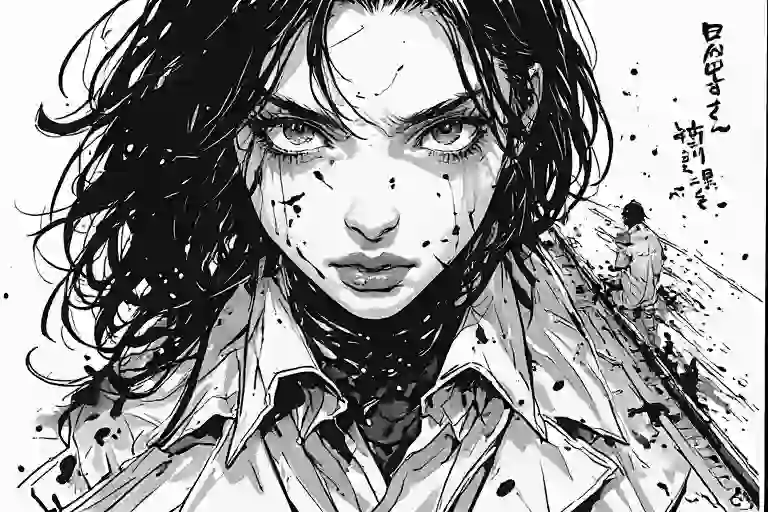
A loving mother should make a child feel safe. But what happens when love becomes control, fear and emotional captivity? Blood on the Tracks manga turns an ordinary family relationship into a slow psychological nightmare. This guide explains the story, characters, themes, reading order, age suitability and ending without confusing language, helping you decide whether Shuzo Oshimi’s completed series belongs on your reading list.
Quick answer: Yes, it is worth reading for adults and older teens who enjoy slow psychological horror, family drama and character-focused storytelling. It is not a good match for readers who want action, comedy or a fast-moving supernatural plot.
Series at a Glance
| Detail | Answer |
|---|---|
| Original Japanese title | Chi no Wadachi |
| Creator | Shuzo Oshimi |
| Main genre | Psychological horror, suspense and family drama |
| Central characters | Seiichi Osabe and his mother, Seiko Osabe |
| Main subject | A controlling mother-son relationship and its lasting damage |
| Total volumes | 17 |
| Completion status | Complete |
| English publisher | Vertical Comics/Kodansha |
| Official English age rating | 16+ |
| Best for | Readers who enjoy disturbing, realistic and emotionally complex manga |
| Reading order | Volume 1 through Volume 17 |
| Adaptation needed to understand it? | No. The manga tells a complete story on its own |
Shogakukan released the first Japanese volume on September 8, 2017, and published the seventeenth and final volume in September 2023. The final English volume arrived on September 17, 2024, giving English-language readers access to the complete story. Is the Story About?
Blood on the Tracks manga follows Seiichi Osabe, a quiet middle-school student who lives with his parents. His mother, Seiko, appears caring and deeply devoted to him. Other relatives see her as overprotective, but Seiichi accepts her attention as a normal part of family life.
That sense of normality breaks during a family outing. A shocking act forces Seiichi to question what he saw, what his mother expects him to say and whether he can trust his own memory. From that point, the story studies how fear, guilt and emotional control can reshape a young person’s identity.
The official English description presents the series as a suspense drama about a toxic parent, while the Japanese publisher introduces its central subject as an extreme form of harmful parenting. ler-Free Premise in One Sentence
A teenage boy becomes trapped between love for his mother and growing awareness that her attention may be destroying his freedom.
Why Is the Story So Disturbing?
The series does not depend on monsters, curses or graphic battles. Its horror comes from familiar spaces: a kitchen table, a family visit, a bedroom doorway or a quiet walk home. Oshimi makes ordinary moments feel unsafe because the reader can see how much pressure Seiichi feels, even when nobody openly threatens him.
Several choices create that tension:
- Long silences: Characters often communicate through facial expressions instead of speeches.
- Uncertain memory: Seiichi’s fear affects how he understands past and present events.
- Emotional dependence: Love, guilt and obedience become difficult to separate.
- Limited escape: Adults around Seiichi often fail to recognize what is happening.
- Slow consequences: One event changes years of the characters’ lives.
The result feels closer to a painful family memory than a conventional horror story. That realistic approach is the main reason many readers find it more unsettling than violent manga.
Who Are the Main Characters?
| Character | Role in the Story | What the Character Represents |
| Seiichi Osabe | The teenage protagonist | Fear, dependency, damaged identity and the struggle to speak |
| Seiko Osabe | Seiichi’s mother | Possessive love, control, resentment and unstable parenthood |
| Shigeru | Seiichi’s cousin | The event that breaks the family’s surface calm |
| Fukiishi | Seiichi’s classmate and emotional connection outside home | Choice, intimacy, escape and a possible life beyond Seiko |
| Seiichi’s father | A passive parent who struggles to understand the crisis | Emotional absence and the limits of ordinary family roles |
| Extended family members | Relatives who respond to the central incident | Social pressure, suspicion and denial |
Seiichi Osabe
Seiichi begins as a shy boy who has not yet built a strong identity outside his home. He wants approval, avoids conflict and has difficulty expressing what he feels. As pressure increases, even speech becomes a struggle.
His journey is not a simple move from weakness to strength. The manga shows how childhood control can continue shaping a person long after the immediate danger has passed.
Seiko Osabe
Seiko is frightening because the story does not present her as a flat villain. She can appear tender, frightened, angry, needy and cruel within the same relationship. Her love for Seiichi is tied to her own emotional needs, making her affection feel both real and destructive.
This complexity does not excuse her actions. It explains why Seiichi cannot simply decide that she is “bad” and walk away.
Fukiishi
Fukiishi offers Seiichi a relationship that is not controlled by his mother. She represents curiosity, teenage desire and the possibility of being seen as an individual.
However, Seiichi’s fear and conditioning make genuine closeness difficult. Even when escape appears possible, the emotional hold of his home life follows him.
What Are the Major Themes?
Toxic Parenting and Emotional Control
The most visible subject is a parent who treats a child as an extension of herself. Seiko does not only want Seiichi’s love. She wants control over what he remembers, says, feels and chooses.
The story shows that emotional abuse does not always look loud. It may appear as guilt, silence, excessive protection, forced loyalty or affection that demands repayment.
Identity and the Loss of a Personal Voice
Seiichi often struggles to explain himself. His difficulty speaking becomes a visible sign of a deeper problem: he does not feel free to own his thoughts.
In Blood on the Tracks manga, finding a voice means more than talking. It means accepting that his experience belongs to him, even when someone he loves denies it.
Memory, Trauma and Unreliable Perception
Memories in the series can feel incomplete, dreamlike or distorted. This is not used as a cheap mystery trick. It places the reader inside Seiichi’s unstable emotional state.
The question is often not only, “What happened?” It is also, “What has Seiichi been able to admit happened?”
Love Mixed With Fear
Seiichi’s bond with Seiko is painful because love does not disappear when trust breaks. He can fear her, seek her approval, resent her and miss her at the same time.
That contradiction gives the story emotional weight. It also prevents the conflict from becoming a simple battle between a hero and a villain.
Shame, Guilt and Family Silence
Several characters worry about appearances, responsibility and what other people will think. That social pressure allows harmful behavior to remain hidden.
The manga asks how much damage can grow when a family protects its image instead of protecting a child.
The Long Reach of Childhood
Later parts of the story examine adulthood and the way early experiences remain active inside a person. Time changes Seiichi’s circumstances, but it does not automatically free him from the relationship that formed him.
This makes the completed series more than a teenage suspense story. It becomes a study of how a person lives after the immediate crisis has ended.
How Does Shuzo Oshimi Create Psychological Horror?
Blood on the Tracks manga uses visual pacing as carefully as dialogue. Oshimi may devote several panels to a glance, a changing mouth or a face that becomes difficult to read. A small shift in expression can carry more meaning than a page of explanation.
The backgrounds often feel ordinary and quiet. That calm setting increases tension because nothing visually announces when a scene is about to become dangerous.
Important artistic methods include:
- Tight close-ups that make the reader study a character’s face
- Empty space that creates emotional distance
- Repeated images connecting present fear with past memory
- Slow page turns that delay important reactions
- Distorted or dreamlike sequences during moments of panic
- Realistic body language that reveals discomfort before words do
- Sudden changes in facial detail that make familiar people seem threatening
Readers who rush through panels may miss much of the storytelling. The series works best when each expression and pause receives attention.
Is the Manga Slow-Paced?
Yes. The pace is intentionally slow, especially in the early and middle volumes. The plot moves forward, but the series spends more time on emotional pressure than on external events.
That approach will appeal to readers who enjoy:
- Character psychology
- Quiet suspense
- Symbolic scenes
- Difficult family relationships
- Stories that allow consequences to unfold over years
It may frustrate readers who expect a major twist in every chapter. The tension comes from waiting for a person to react, speak or break—not from constant action.
Simple Pacing Guide
| Volumes | General Focus | Reading Experience |
| 1–3 | Family calm breaks and Seiichi enters a cycle of fear | Immediate tension with a slow emotional build |
| 4–8 | Control, secrecy and outside relationships deepen | Claustrophobic and increasingly unstable |
| 9–12 | Truth, memory and consequences move into the open | More direct conflict and major turning points |
| 13–17 | Adult life, aftermath, confrontation and emotional closure | Reflective, bleak and focused on lasting damage |
This table describes the broad shape of the story without revealing every major event.
Is Blood on the Tracks Manga Finished?
Yes. Blood on the Tracks manga is complete in 17 volumes. The Japanese edition ended with Volume 17 in 2023, while the official English edition completed its run in September 2024. ch0turn211364search2
Readers can now begin the story without waiting for a final volume. That matters because the later books change the scale of the series and show how the central relationship affects Seiichi over a much longer period.
Official English Edition Details
| Item | Detail |
| Final volume | Volume 17 |
| English print release | September 17, 2024 |
| Final volume length | 208 pages |
| Official rating | 16+ |
| Print ISBN | 9781647293673 |
| Digital ISBN | 9781647293680 |
These details come from Kodansha’s official listing for the final English volume. Is the Correct Reading Order?
Read Blood on the Tracks manga in numbered order:
- Volume 1
- Volume 2
- Volume 3
- Continue in sequence
- Finish with Volume 17
There are no required prequels, side stories or crossover books. Starting with another Oshimi title may help you understand his style, but it is not necessary.
Print or Digital?
Choose print if you value physical page turns, facial detail and a complete shelf collection. Physical volumes also make it easier to move backward and compare repeated images.
Choose digital if you want faster access, adjustable screen size or less shelf space. A larger screen can help preserve the detail of Oshimi’s facial expressions.
Whichever format you select, avoid skipping volumes. The story depends on small visual details, recurring memories and gradual changes in behavior.
Is It Suitable for Teenagers?
The official English edition carries a 16+ rating. age alone does not decide whether the series is suitable for a specific reader.
The manga includes disturbing family behavior and emotionally intense material. Readers should expect themes connected to:
- Child abuse and coercive control
- Attempted killing and death
- Psychological trauma
- Self-harm and suicidal thoughts
- Sexual awakening and uncomfortable intimacy
- Violence
- Emotional manipulation
- Parental neglect
- Grief
- Long-term mental distress
The series does not treat these subjects lightly. Parents, teachers and younger readers should review the content before choosing it.
Does the Manga Contain Graphic Violence?
The series includes violent acts and distressing situations, but constant gore is not its main feature. Psychological discomfort receives more attention than blood or combat.
A reader who handles fictional violence well may still find the mother-son relationship difficult. The strongest reactions often come from manipulation, silence and emotional cruelty rather than graphic images.
The visual restraint can make certain scenes feel more disturbing. Instead of quickly moving past an event, Oshimi stays with the characters’ faces and reactions.
Why Do Readers Compare It With The Flowers of Evil?
Shuzo Oshimi also created The Flowers of Evil, Happiness and Inside Mari. Official publisher pages connect these works through their creator and describe his storytelling as grounded psychological suspense and horror. arison makes sense because these series examine shame, identity, desire and social pressure. However, each work has a different center.
| Manga | Main Focus | Tone |
| Blood on the Tracks | Parent-child control, trauma and memory | Intimate, suffocating and slow |
| The Flowers of Evil | Adolescent shame, rebellion and obsession | Uncomfortable, dramatic and confrontational |
| Inside Mari | Identity, embodiment and personal disconnection | Mysterious and psychologically disorienting |
| Happiness | Violence, desire and transformation | Darker fantasy and horror elements |
Choose Blood on the Tracks manga first when realistic family horror interests you more than supernatural conflict.
What Does the Title Mean?
The title suggests a path left by violence, family history and emotional injury. “Blood” can point to both harm and family connection. “Tracks” suggests marks that remain behind and a route that may be difficult to leave.
This reading fits the story’s concern with inherited pain and lasting memory. It is an interpretation, not a single official definition.
The Japanese title, Chi no Wadachi, is commonly presented in English as Blood on the Tracks. The image of a track or rut also suits a relationship in which people repeat emotional patterns even when those patterns cause suffering.
Is the Ending Satisfying?
Minor spoilers begin below.
The ending is satisfying for readers who want emotional meaning rather than a neat punishment-and-reward finish. It does not erase the damage or turn recovery into a simple victory.
The final part returns Seiichi and Seiko to the same emotional space after many years. Official descriptions for the last volumes emphasize confrontation, Seiko’s past, Seiichi’s central question and a final dreamlike exchange before the story closes. ng suggests that freedom may come through distance, acceptance and the fading power of old memories. It does not say that the past was harmless. It shows that a person may stop allowing the past to control every part of the present.
Ending Explained in One Clear Answer
Seiichi does not receive a perfect repair of his childhood or a simple answer that makes everything fair. He reaches a quieter form of separation from Seiko and from the identity built around her control.
The closing chapters focus less on legal justice and more on psychological release. Seiichi’s growth comes from seeing the relationship more clearly and allowing it to lose its control over his identity.
What Did Shuzo Oshimi Want to Explore?
In a 2021 interview, Oshimi explained that he viewed the work as more than a “toxic parent manga.” He connected it with confronting his own feelings and the parent-child tensions of adolescence. spective helps explain why the story spends so much time inside Seiichi’s emotional experience. The manga is not written as a guide to diagnosing a parent. It is an artistic study of attachment, fear, memory and the struggle to become a separate person.
It also explains why Seiko receives psychological depth. Understanding where her emotions may come from does not remove her responsibility. It makes the damage harder to reduce to one easy explanation.
Who Should Read This Manga?
This series is a strong choice for readers who enjoy:
- Psychological manga with realistic behavior
- Slow stories built around expressions and silence
- Complex characters who cannot be divided into simple labels
- Family drama with serious consequences
- Completed series that reward close reading
- Works by Shuzo Oshimi
- Manga such as The Flowers of Evil and Inside Mari
- Stories about trauma, memory and personal identity
Skip or postpone it when you want:
- Light entertainment
- Frequent action
- Clear heroes and villains
- A supernatural horror system
- A comforting family story
- A series without abuse, trauma or self-destructive behavior
Is Blood on the Tracks Manga Worth Buying?
For the right reader, yes. The completed 17-volume format gives the story enough space to show both the immediate crisis and its long aftermath.
Buying the series makes the most sense when you value visual storytelling and expect to reread important scenes. Oshimi’s facial expressions, repeated images and quiet page layouts often reveal details that are easy to miss during a first reading.
A cautious new reader can buy or borrow Volume 1 before committing to the full set. The first book clearly demonstrates the tone, pace and central relationship.
Buy It When You Prefer
- Completed manga series
- Psychological horror without fantasy rules
- Detailed facial artwork
- Slow character development
- Serious adult themes
- Stories that invite rereading
Borrow or Sample It First When You Prefer
- Fast action
- Frequent plot twists
- Light dialogue
- Direct explanations
- Clear moral answers
- Comfortable family stories
How to Read the Series for the Best Experience
Use these simple steps:
- Read when you can focus without frequent interruptions.
- Do not rush silent panels.
- Watch changes in eyes, mouths, posture and distance between characters.
- Note repeated places, dreams and childhood images.
- Avoid searching character names until you finish, because results may reveal major spoilers.
- Pause between emotionally heavy volumes when needed.
- Revisit early scenes after Volume 17 to see how later information changes them.
This approach makes Blood on the Tracks manga easier to understand because much of its meaning appears visually rather than through direct explanation.
Topical Map for Supporting Articles
Use this pillar page as the main hub and connect it to focused supporting content.
| Cluster Article | Main Search Intent | Suggested Internal Anchor |
| Blood on the Tracks ending explained | Spoiler analysis | ending explained |
| Blood on the Tracks characters guide | Character information | complete character guide |
| Seiko Osabe character analysis | Psychological analysis | Seiko Osabe analysis |
| Seiichi Osabe trauma and development | Character journey | Seiichi’s development |
| Blood on the Tracks volume order | Reading order | complete reading order |
| Blood on the Tracks content warnings | Suitability and safety | content warnings |
| Blood on the Tracks vs The Flowers of Evil | Comparison | Oshimi manga comparison |
| Best manga like Blood on the Tracks | Recommendation | similar psychological manga |
| Shuzo Oshimi manga reading guide | Author discovery | Shuzo Oshimi reading guide |
| Blood on the Tracks themes and symbolism | Literary analysis | themes and symbols |
| Is Blood on the Tracks scary? | Informational | psychological horror explained |
| Blood on the Tracks review | Commercial investigation | spoiler-free review |
Each supporting article should link back to this page and to one or two closely related cluster pages. Avoid creating several pages that answer the same query with slightly different wording.
Recommended Internal-Link Structure
- Link the ending guide to the themes and symbolism article.
- Link the character guide to separate Seiichi and Seiko analyses.
- Link the content-warning article to the age-suitability section.
- Link the author guide to articles about The Flowers of Evil, Happiness and Inside Mari.
- Link every supporting article back to this pillar page with a descriptive anchor.
- Keep comparison and recommendation pages connected to improve topical relevance.
Relevant Semantic Keywords
Use these phrases naturally in headings, image alt text, supporting pages and internal links:
- Shuzo Oshimi manga
- Chi no Wadachi
- psychological horror manga
- toxic parent manga
- Blood on the Tracks volumes
- Blood on the Tracks ending
- Seiichi Osabe
- Seiko Osabe
- manga about emotional abuse
- disturbing family manga
- psychological thriller manga
- completed horror manga
- mother-son relationship manga
- Blood on the Tracks reading order
- Blood on the Tracks age rating
- manga about childhood trauma
- realistic horror manga
- manga similar to The Flowers of Evil
Do not place all these terms in one paragraph. Match each phrase with a section that fully answers its search intent.
Frequently Asked Questions
1. How Many Volumes Are in Blood on the Tracks Manga?
There are 17 volumes. The series is complete in both Japanese and English, with the final English volume released on September 17, 2024. ch0turn211364search2
2. Is Blood on the Tracks Manga Horror?
Yes, but it is mainly psychological horror. It creates fear through family control, unstable memory, silence and emotional pressure rather than supernatural creatures.
3. Is Blood on the Tracks Based on a True Story?
The manga is a fictional work. Oshimi has discussed its connection to his own feelings and his reflections on adolescent parent-child relationships, but the story should not be treated as a literal autobiography. hat Age Is Blood on the Tracks Suitable For?
Kodansha rates the English edition 16+. Mature themes include abuse, violence, trauma, self-harm, death and sexual material, so individual readiness matters. oes Blood on the Tracks Have a Happy Ending?
It has a quiet and emotionally complex ending rather than a traditionally happy one. The conclusion offers a sense of distance and release, but it does not erase the harm experienced by the characters.
6. Do I Need to Read Other Shuzo Oshimi Manga First?
No. Blood on the Tracks manga is a standalone story. Readers can start with Volume 1 and continue directly through Volume 17.
Final Verdict
Blood on the Tracks manga is a powerful completed psychological drama for readers who can handle its heavy subject matter. Its greatest strength is not shock alone. It is the careful way Shuzo Oshimi shows fear moving through a face, a silence, a memory and an entire adult life.
Start with Volume 1 when you want realistic horror, complex family psychology and patient visual storytelling. Read slowly, respect the content warnings and allow the later volumes to complete the meaning of the early ones.
Share your interpretation after finishing Volume 17, especially if you viewed the final exchange as forgiveness, emotional separation or the gradual fading of trauma.
Author and Editorial Trust Box
Written by: [Author Name], manga and entertainment writer
Reviewed by: [Editor Name], comics editor or Japanese media researcher
Last fact-check: July 16, 2026
Editorial method: Publication dates, volume count, age rating and edition details were checked against official publisher records. Interpretive sections are clearly presented as analysis rather than confirmed author statements.
Primary and First-Party Sources
- Shogakukan’s official listing for Volume 1 and its original release information. akukan’s official listing for the seventeenth and final Japanese volume. nsha’s official English series and Volume 1 pages. nsha’s official listing for the final English volume, including rating, date, ISBNs and page count. o Oshimi’s interview about the work’s themes and personal creative focus. ace the author placeholders before publishing. The next publishing step is adding Article, FAQ and Breadcrumb schema plus links to the proposed topic-cluster pages.