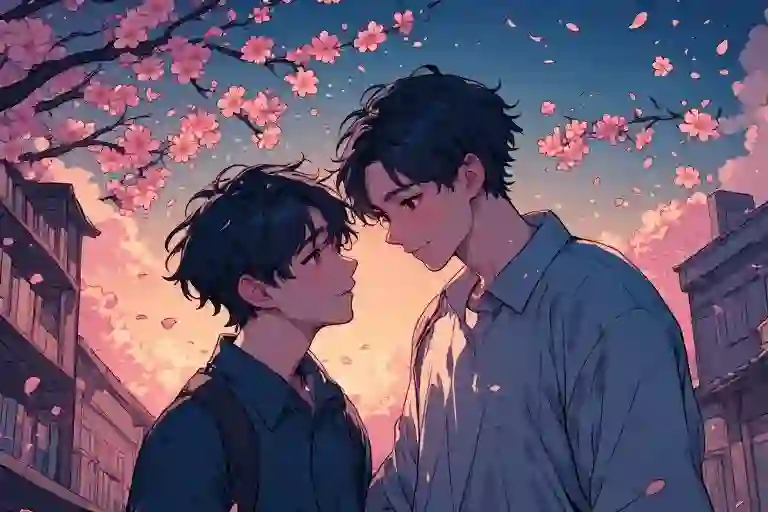
You hear friends rave about yaoi manga but every search leads to endless lists. Without a clear starting point, you risk bland stories or confusing tropes. This guide cuts through the noise. Discover the genre’s origins, must-read series, and how to find stories that match your taste—all in one place.
What Is Yaoi Manga? Defining the Boys’ Love Genre
Yaoi manga spotlights romantic and often explicit relationships between male characters. The term itself is an acronym from the Japanese phrase “Yama nashi, ochi nashi, imi nashi” — no climax, no point, no meaning. Early creators used it humorously to describe self-published works that focused purely on passion.
Today yaoi manga represents a vibrant storytelling category. Publishers and fans also use the labels Boys’ Love or BL. The narratives range from sweet school romances to dark fantasy epics. Core appeal lies in emotional depth, character-driven conflict, and the freedom to explore desire outside heteronormative frames.
Many newcomers confuse yaoi manga with general LGBTQ+ literature. However, the genre primarily targets a female audience and often reflects idealized relationships rather than realistic queer experiences. Recognizing this distinction helps you appreciate its unique cultural place.
A Brief History of Yaoi Manga: From Doujinshi to Global Phenomenon
The roots of yaoi manga reach back to the 1970s shoujo manga revolution. Artists like Keiko Takemiya and Moto Hagio pioneered stories that centered on beautiful young men in love. Their groundbreaking work laid the emotional blueprint for what would become BL.
During the 1980s, doujinshi (fan-made comics) exploded in popularity. Fan creators transformed popular shonen characters into lovers, giving birth to the yaoi style we recognize. This self-published scene fueled a new generation of professional mangaka who crafted original yaoi manga series.
The 1990s brought commercial publishers like Biblos, which launched dedicated BL imprints. Titles such as Gravitation and Fake became international hits. Digital platforms brought yaoi manga to every part of the world by the 2000s, fostering a flourishing cross-cultural fandom.
Key Terminology: Seme, Uke, and Beyond
Understanding basic terms opens up the world of yaoi manga without confusion.
- Seme: The pursuing partner, often taller, older, or more assertive in the dynamic.
- Uke: The receiving partner, frequently characterized as more emotional, smaller, or initially hesitant.
- Riba/Reversible: Couples that switch roles, defying strict seme/uke labels.
- Shoujo-ai / Shounen-ai: Older terms for girls’ love and boys’ love respectively, with shounen-ai implying less explicit content.
- Doujinshi: Fan-published comics that often reinterpret existing characters in romantic or sexual contexts.
Fans use these words to navigate recommendations and discuss character dynamics. Familiarity with them makes your first yaoi manga reading experience smoother and far more enjoyable.
How Yaoi Manga Differs from Shounen-ai and BL
Many sellers use “yaoi,” “shounen-ai,” and “BL” interchangeably, but subtle differences exist. Shounen-ai historically indicates softer, fade-to-black romances that emphasize emotional connection over physical intimacy. BL functions as a broad umbrella term for all male-male love narratives, including both explicit and non-explicit works.
Yaoi manga, in its strictest definition, often carries a connotation of higher heat level and originally described only doujinshi. Contemporary Western fandom has blurred the lines. When you choose your next read, check content tags and ratings rather than relying solely on the label.
This knowledge helps you find material that matches your comfort zone. You can enjoy a tender shounen-ai tale or dive into a passionate yaoi manga with equal clarity.
Top 10 Yaoi Manga Recommendations for Beginners
A curated starting list eliminates guesswork. Each title below has earned praise for storytelling, art, and emotional punch.
- Given – Natsuki Kizu weaves a story about music, grief, and healing love. The anime adaptation boosted its global fame.
- Ten Count – Rihito Takarai explores mental health and obsessive-compulsive disorder within a slow-burn office romance.
- Sasaki and Miyano – Shou Harusono delivers a sweet high school comedy that gently deconstructs BL tropes.
- Junjou Romantica – Shungiku Nakamura’s long-running series offers three intertwining couples and plenty of dramatic moments.
- Crimson Spell – Ayano Yamane crafts a fantasy adventure packed with magic, curses, and a fiery relationship.
- Finder Series – Ayano Yamane again, this time diving into the dark underbelly of organized crime and intense power dynamics.
- Love Stage!! – Eiki Eiki and Taishi Zaou present a hilarious gender-bending romance sparked by a childhood commercial shoot.
- I Hear the Sunspot – Yuki Fumino focuses on disability, communication barriers, and the quiet growth of affection.
- Twittering Birds Never Fly – Kou Yoneda paints a raw, atmospheric portrait of a masochistic yakuza boss and his stoic bodyguard.
- The Cornered Mouse Dreams of Cheese – Setona Mizushiro delivers a messy, adult psychological drama that refuses easy answers.
Quick Stats: 10 Iconic Yaoi Manga Series
| Title | Creator | Volumes (as of 2025) | Publication Years | Key Themes | English Publisher |
|---|---|---|---|---|---|
| Given | Natsuki Kizu | 9 | 2013–present | Music, trauma, recovery | SuBLime |
| Ten Count | Rihito Takarai | 6 | 2013–2017 | Mental health, office romance | SuBLime |
| Sasaki and Miyano | Shou Harusono | 10 | 2016–present | School life, comedy, BL deconstruction | Yen Press |
| Junjou Romantica | Shungiku Nakamura | 29 | 2002–present | Age gap, multiple couples | SuBLime |
| Crimson Spell | Ayano Yamane | 7 | 2005–present | Fantasy, magic, adventure | SuBLime |
| Finder Series | Ayano Yamane | 13 | 2002–present | Crime, power imbalance, intense passion | SuBLime |
| Love Stage!! | Eiki Eiki & Taishi Zaou | 7 | 2010–2016 | Showbiz, gender expression, comedy | SuBLime |
| I Hear the Sunspot | Yuki Fumino | 5 | 2014–present | Disability, communication, slow burn | One Peace Books |
| Twittering Birds Never Fly | Kou Yoneda | 8 | 2013–present | Yakuza, psychological drama, dark romance | Digital Manga Guild |
| The Cornered Mouse Dreams of Cheese | Setona Mizushiro | 1 | 2006 | Infidelity, adult drama, realism | Seven Seas |
These yaoi manga titles span genres from fluffy romance to gritty crime. Pick a premise that excites you and start there.
Exploring Subgenres: Omegaverse, Fantasy, and Slice-of-Life Yaoi
Yaoi manga thrives on diversity. The omegaverse subgenre builds a hierarchy of alphas, betas, and omegas, mixing primal instincts with deep emotional bonds. Fantasy settings incorporate magic, mythical creatures, and epic quests that raise the stakes for lovers.
Slice-of-life yaoi manga grounds romance in everyday routines—cooking, office work, raising a pet. These stories feel intimate and relatable. You also find historical dramas, sci-fi thrillers, and horror-infused BL. Exploring subgenres keeps your reading list fresh and exciting.
The Art of Yaoi: Visual Storytelling and Character Design
Art defines the identity of yaoi manga. Artists use elongated limbs, expressive eyes, and dramatic panel layouts to amplify feeling. Hair detail, fashion, and background elements convey mood without a single line of dialogue.
Many popular mangaka develop signature styles. Ayano Yamane’s men possess sharp jaws and smoldering gazes. Natsuki Kizu relies on soft watercolor-like linework. Visual storytelling in yaoi manga often puts the internal emotional landscape on full display, making heartache and longing tangible.
Where to Read Yaoi Manga Legally and Safely
Accessing yaoi manga through legitimate channels supports creators and ensures quality translations.
- SuBLime – A dedicated BL imprint offering digital and print volumes.
- Futekiya – A subscription-based BL manga library with thousands of chapters.
- Renta! – A pay-per-chapter platform with a vast yaoi section.
- BookWalker – Kadokawa’s global store carrying major BL titles.
- ComiXology / Kindle – Amazon’s platforms feature large yaoi manga catalogs.
Avoid shady scanlation sites. They harm the industry and often provide subpar image quality. Legal platforms deliver crisp artwork and accurate dialogue that deepen your enjoyment.
The Culture of Fujoshi and Fudanshi: Fans Who Shape the Genre
Fujoshi (rotten girls) and fudanshi (rotten boys) are self-mocking terms embraced by yaoi manga enthusiasts. Their passion drives convention panels, fan art, and massive online communities. Far from passive consumers, these fans actively produce doujinshi, organize events, and influence publishing trends.
Critics have occasionally stereotyped fujoshi as fetishizers. In reality, many fans engage with the genre thoughtfully, championing progressive narratives and supporting LGBTQ+ authors. The community continuously reshapes what yaoi manga can be.
How Yaoi Manga Handles Romance and Consent (Content Warnings)
In Yaoi manga, romance can range from healthy to extremely problematic. Earlier works often romanticized coercion or non-consensual encounters. Modern titles increasingly prioritize clear communication, enthusiastic consent, and emotional safety.
Always check content warnings. Publishers like SuBLime and Seven Seas label books for mature audiences and list sensitive themes. Your reading experience improves dramatically when you choose stories that respect your boundaries.
A responsible yaoi manga reader seeks out narratives that treat intimacy with care. Many newer releases model healthy conflict resolution, mutual desire, and genuine partnership, offering both escapism and positive representation.
Yaoi Manga Adaptations: Anime, Drama CDs, and Live-Action
The success of a yaoi manga often spills into other media. Given transitioned beautifully into an anime series and feature film, capturing the original’s musical soul. Junjou Romantica and Sekaiichi Hatsukoi gained legions of fans through multiple anime seasons.
Drama CDs (audio dramas) remain popular in Japan, bringing favorite voice actors to beloved characters. Live-action adaptations, such as The Cornered Mouse Dreams of Cheese movie, interpret yaoi manga stories for wider audiences. These adaptations serve as entry points that lead viewers back to the source material.
Creating Your Own Yaoi Manga: Tips for Aspiring Artists
Start by studying published yaoi manga for panel flow, pacing, and emotional beats. Practice drawing expressive faces and varied body types. Perfect anatomy is not as important as powerful visual storytelling.
Develop a unique voice. Write characters with distinct personalities and believable motivations. Respect your readers by avoiding harmful stereotypes. Join communities like Pixiv or Discord groups where you can share drafts and receive constructive feedback. Persistence and genuine passion create the kind of yaoi manga that resonates with audiences worldwide.
Frequently Asked Questions
What makes yaoi manga different from LGBTQ+ comics?
Yaoi manga is primarily created by and for a female audience, focusing on fantasy dynamics rather than realistic queer representation. Independent LGBTQ+ comics often center authentic lived experiences and identity exploration.
Where can a complete beginner start reading yaoi manga?
Begin with gentle, critically acclaimed titles like Given or Sasaki and Miyano. These stories introduce core tropes without overwhelming graphic content and offer strong emotional foundations.
Is yaoi manga suitable for teenagers?
Due to explicit scenes and adult themes, many Yaoi manga get mature ratings. Always check the publisher’s age recommendation. Some shounen-ai titles remain appropriate for older teens with no explicit content.
Why do women enjoy yaoi manga so much?
Female readers often appreciate the emotional vulnerability, equal power dynamics, and escape from traditional gender roles that yaoi manga provides. The genre allows exploration of desire from a safe distance.
Can men read and enjoy yaoi manga?
Absolutely. A growing male readership, including fudanshi, finds yaoi manga compelling for its romance, drama, and artistic beauty. Stories resonate beyond gender when emotions ring true.
What are the most common tropes in yaoi manga?
Recurring tropes include the cold seme melting for a shy uke, forced cohabitation, rivals-turned-lovers, and love blossoming in the workplace. Contemporary works often subvert these patterns with refreshing twists.
Dive into the world of yaoi manga and share your favorite title in the comments. Your next unforgettable story is just a page away.
Sources:
- McLelland, Mark. “Boys’ Love Manga and Beyond: Japanese History, Culture, and Community” Mississippi University Press.
- “The History of Boys’ Love.” Anime News Network, 2018.
- SuBLime Manga. Official Publisher Site. sublime.com
- Galbraith, Patrick W. “Fujoshi: Fantasy Play and Transgressive Intimacy among ‘Rotten Girls’ in Contemporary Japan.” Signs, 2011.
- Futekiya BL Manga Library. futekiya.com