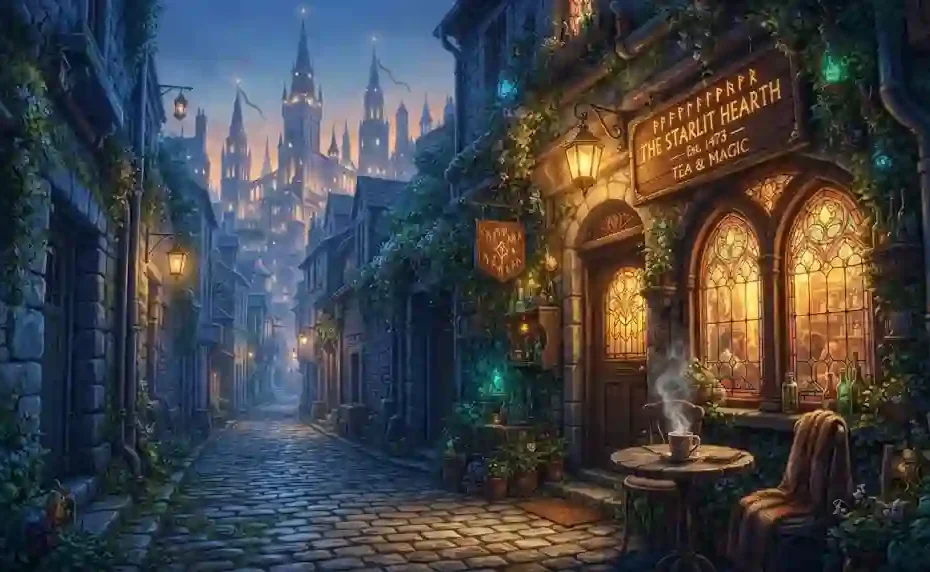
Finding a high-stakes fantasy story that lets you unwind without overwhelming tension can feel impossible. Endless war arcs and complex political schemes often leave readers exhausted and searching for cozy comfort. Step away from the battlefield and explore the cozy atmosphere of the Dead-End Café In The Royal Capital today.
Overview of the Establishment
| Feature Category | Description & Details | Significance in the Story |
|---|---|---|
| Location | Tucked away in a quiet alley at the end of Cobblestone Lane | Provides complete isolation from political intrigue |
| Atmosphere | Warm wood accents, dim magic lamp lighting, soundproof barriers | Allows guests to relax without fear of eavesdroppers |
| Primary Culinary Focus | Mana-infused espresso, artisanal roasted beans, restorative pastries | Restores magical energy and heals emotional fatigue |
| Key Clientele | Weary adventurers, disguised royalty, retired high mages | Creates unique interactions across social classes |
| Core Theme | Slice-of-life comfort within a high fantasy setting | Redefines how conflict is resolved through dialogue |
What Is the Dead-End Café In The Royal Capital?
The story of the Dead-End Café In The Royal Capital centers on a quiet sanctuary hidden away from the bustling city center. While the imperial city thrums with political ambition and military marches, this unique establishment offers a peaceful refuge. The café sits at the physical termination point of a forgotten alleyway, making accidental visits rare.
Inside, the owner prepares specialty brews and handcrafted meals that carry subtle enchanted properties. Patrons do not visit merely to fill their stomachs; they arrive to escape the heavy burdens of their public roles. Knights set down their heavy broadswords, court sorcerers remove their ceremonial robes, and rogue merchants pause their risky trades.
This popular narrative concept blends the slice-of-life genre with rich world-building. Literary databases like Anime News Network track how these cozy fantasy settings capture reader interest worldwide. The location acts as a neutral zone where traditional fantasy tropes turn upside down.
The Strategic Setting: Why a Dead-End Street Matters
Urban geography plays a massive role in setting the tone for any fantasy narrative. Place a shop along a main thoroughfare, and you guarantee constant noise, royal guards, and aggressive tax collectors. By choosing a literal cul-de-sac, the owner ensures that every visitor arrives with deliberate intent or through pure fate.
The physical structure of the alleyway works as a natural filter for the environment. High stone walls block out the roar of street vendors and heavy carriage wheels. Natural sunlight filters down softly between old wooden roofs, casting a calm glow across the cobblestones.
This hidden location creates a distinct contrast against the grand architecture of the royal city. Outside, grand marble columns display the wealth and power of the ruling class. Inside the quiet alley, simple dark timber and brass fixtures remind visitors of basic human warmth.
Publishing industry reports from Publishers Weekly show a massive surge in reader interest for these bounded, cozy settings. Readers want predictable boundaries that feel safe compared to chaotic open-world adventures. The physical dead-end transforms from an urban obstacle into a comforting shield.
Core Characters Behind the Counter and in the Booths
A cozy fantasy story relies entirely on the quality of its cast and character interactions. The staff and regular patrons form an unusual family unit that keeps readers returning for every chapter. Each individual brings a complicated past into a space designed for quiet healing.
- The Master Brewer: A former high-ranking adventurer who walked away from glory to pursue the art of roasting coffee beans. His calm demeanor and sharp observation skills give him the ability to diffuse tense situations before conflict starts.
- The Lead Waitress: A former court apprentice who fled rigid academic life to find personal creative freedom. She remembers every customer’s favorite order and notices subtle shifts in their emotional states.
- The Disguised Grand Duchess: A prominent noble who uses simple illusions to slip away from court obligations. She seeks honest conversation where no one flatters her title or begs for political favors.
- The Weary Paladin: A veteran soldier suffering from heavy fatigue after long frontier campaigns. He visits to drink restorative teas and process the burden of his military duties.
- The Kitchen Assistant: A young beast-kin youth taken in by the owner. His bright energy and dedication to baking bring warmth to every morning shift.
These characters interact without the social walls forced upon them by the outside kingdom. Duke or mercenary, everyone sits on the same hand-carved stools and drinks from the same clay mugs.
Signature Magical Dishes and Brews on the Menu
The menu inside the Dead-End Café In The Royal Capital combines classical culinary arts with subtle elemental magic. Food does not grant absurd power boosts like combat potions; instead, it gently restores the mind and spirit.
The kitchen uses fresh ingredients sourced from secret gardens and trusted local farmers. Every recipe balances flavor with magical resonance to help tired bodies recover from stress.
Specialty Beverage Offerings
- Twilight Roast Espresso: Brewed from dark beans grown on high mountain cliffs. It clears mental exhaustion and grants three hours of total focus without any crash.
- Lunar Herbal Infusion: Steeped moonlight leaves gathered during the night cycle. It soothes anxiety and promotes deep, restorative sleep for troubled minds.
- Mana-Spark Cappuccino: Topped with thick steamed milk dust containing tiny light crystals. It restores basic magical reserves while delivering a smooth cinnamon taste.
Handcrafted Food Items
- Solar Butter Croissants: Flaky golden pastries baked in oven hearths powered by mild fire crystals. They warm the body from within and lift spirits on rainy mornings.
- Starlight Stew: A slow-cooked broth filled with root vegetables and tender mountain meats. It repairs physical strain and leaves a lingering feeling of comfort.
- Berry Mana Tarts: Sweet baked tarts filled with wild forest berries. They clear minor ailments and leave patrons feeling refreshed.
How the Dead-End Café In The Royal Capital Redefines Cozy Fantasy
Traditional fantasy literature often focuses on world-ending threats, dark lords, and military conflict. While those stories offer grand scale, they often lack quiet moments for emotional reflection. The Dead-End Café In The Royal Capital flips this dynamic by placing high-stakes political intrigue in the background.
The narrative shifts focus from sword fights to brewing techniques, customer conversations, and personal growth. Conflicts do not resolve through grand magic spells, but through quiet empathy and shared meals. A rival merchant and an imperial knight sit together and realize their goals are not so different.
This approach aligns with the growing rise of “healing fiction” or Japanese Iyashikei stories across global media platforms. Book industry analyses from BookWalker confirm that slice-of-life fantasy sales continue to rise year over year. Readers enjoy seeing familiar, everyday rituals celebrated inside extraordinary magical worlds.
The story demonstrates that saving a single person’s mood can be just as important as saving a kingdom. By centering the story around hospitality, the narrative gives readers a quiet mental space to unwind.
World-Building and Social Hierarchy Within the Royal Capital
To appreciate the peace inside the café, one must understand the strict social walls outside its doors. The royal capital operates under a rigid feudal hierarchy divided into strict social classes. Nobles hold exclusive privileges, mages control high technology, and commoners work long hours to maintain the city.
Class interaction outside the alleyway stays locked behind complex court etiquette and legal rules. A commoner speaking out of turn to a high noble risks harsh punishment or imprisonment. The academy guards strictly enforce these laws across all major city districts.
The Dead-End Café In The Royal Capital operates outside these harsh social divisions through unspoken agreement. The owner enforces a single fundamental rule: inside these walls, everyone is simply a guest.
This rule creates fascinating social dynamics that drive the plot forward without physical fights. A prince can sit next to a street orphan without guards pulling their weapons. This simple equalizer turns the humble coffee shop into the most progressive space in the entire empire.
Plot Arcs and Conflict Resolution Over Coffee
Although the story stays cozy, it does not lack meaningful tension or plot progression. Instead of long war arcs, conflicts appear as subtle personal struggles brought in from the outside world.
- The Guild Dispute: Two rival merchant leaders plan an economic war that could ruin local tradesmen. After ending up at adjacent tables during a sudden rainstorm, they share a pot of tea and negotiate a peace deal.
- The Dragon Knight’s Burnout: A high commander loses his ability to channel fire magic due to emotional exhaustion. Regular visits to the shop help him rediscover his passion for protecting others.
- The Fugitive Scholar: An academy researcher uncovers corrupt practices and flees royal arrest. The shop owner offers safe passage and advice, helping the scholar present findings safely to the public.
These plotlines resolve through patient listening, wise counsel, and warm hospitality. The shop owner acts as a neutral mediator who guides characters toward solving their own problems.
The Role of Food Magic in Character Progression
In typical role-playing games and fantasy light novels, characters gain power by defeating monsters and leveling up. This narrative replaces traditional combat training with the subtle power of culinary magic.
Cooking inside the shop requires precise control over elemental magic and raw ingredients. The owner combines fire magic for roasting, water magic for extraction, and earth magic for clay pottery.
Consuming these meals helps patrons unlock emotional blocks and heal old wounds. A mug of coffee does not grant extra attack power; it grants the emotional clarity needed to forgive an old friend.
This magic system reinforces the story’s focus on personal well-being over raw physical dominance. It proves that true power lies in healing, nourishing, and supporting those around you.
Key Themes: Refuge, Anonymity, and Community
At its core, the narrative explores three central themes that resonate deeply with modern readers. These concepts form the emotional foundation of every chapter and character interaction.
The Search for Refuge
Modern life places heavy demands on everyone, and fantasy readers often seek a similar escape. The physical space of the shop offers safety from external judgments and heavy expectations. Characters cross the threshold and set down the heavy burdens they carry all day.
The Value of Anonymity
In a world driven by status titles and public reputation, total anonymity becomes a rare luxury. Inside the shop, nobility drop their titles and soldiers leave their armor behind. Guests interact as equals without worrying about social standing or public performance.
The Power of Authentic Community
True community forms when people connect over shared experiences rather than practical utility or forced alliance. The bonds formed across these dining tables stem from genuine empathy and simple human connection.
Comparing the Dead-End Café to Iconic Fantasy Establishments
Fantasy literature features many memorable taverns and inns that serve as key story locations. Comparing these famous venues reveals what makes this particular establishment stand out to modern audiences.
While traditional taverns serve as quick stops before danger, this coffee shop acts as the main sanctuary. The focus remains on staying in the comfortable space rather than rushing out to face monsters.
Why Readers Love Slice-of-Life Fantasy Settings
The massive rise of cozy fantasy reflects a major shift in modern reading habits across all demographics. Readers increasingly seek out stories that reduce stress while still offering imaginative world-building.
Life presents plenty of real-world anxiety, making high-stress entertainment less appealing for evening relaxation. Reading about characters drinking warm cocoa in a safe room helps quiet a busy mind.
The steady rhythm of episodic chapters provides predictable comfort after a long workday. Readers know that regardless of outside events, the shop will open every morning with fresh coffee.
This genre provides a satisfying escape without forcing readers to process dark themes or graphic violence. It offers pure, unadulterated comfort wrapped in the magic of high fantasy lore.
Reader’s Guide: How to Experience the Web Novel and Manga
Getting into this story universe is straightforward once you know where to start. The narrative exists across multiple published formats, each offering a distinct way to enjoy the setting.
- The Original Web Novel: Best for readers who enjoy detailed inner monologues and expanded world-building. Chapters update frequently and provide deep insights into character thoughts.
- The Light Novel Volumes: Ideal for fans who prefer polished prose, professional pacing, and beautiful full-page color illustrations. Physical prints make great additions to any home bookshelf.
- The Manga Adaptation: Perfect for visual readers who want to see detailed renderings of the coffee shop, pastries, and character expressions. The art panels capture the warm lighting beautifully.
Start with the first volume of the light novel or manga to experience the story as intended. Both formats introduce the core cast gracefully while setting the relaxing, cozy pace.
Frequently Asked Questions
What makes the Dead-End Café In The Royal Capital unique?
It focuses on low-stakes healing, emotional recovery, and peaceful dialogue rather than violent combat. The hidden alleyway location offers a neutral space where all social classes interact as equals.
Is the Dead-End Café In The Royal Capital suitable for all ages?
Yes, the story avoids graphic violence, dark themes, and explicit content. It offers wholesome entertainment focused on cooking, community building, and personal growth for all readers.
Where can I read or purchase this light novel series?
Official translations are available through major digital book platforms and physical comic retailers. Check online digital distributors like BookWalker or localized publishing catalogs for current release schedules.
Does the story feature high-stakes battles or war arcs?
No, major battles happen far off in the background and rarely affect the shop directly. The plot focuses almost entirely on character relationships, daily shop operations, and small personal conflicts.
Why is food magic so important in this story?
Food magic acts as a gentle tool for emotional healing rather than a weapon for battle. It allows the chef to restore energy, relieve stress, and clear mental fatigue for tired patrons.
How frequently are new manga volumes and chapters published?
Light novel volumes typically publish every four to six months through official publishing houses. Manga updates follow monthly magazine schedules, depending on the illustrator’s serialization timeline.
Experience the Warmth: Step Into the Fantasy World Today
The Dead-End Café In The Royal Capital offers an extraordinary escape for anyone tired of high-stress fantasy tropes. Its combination of warm drinks, peaceful atmosphere, and memorable characters creates an irresistible reading experience.
Whether you enjoy slice-of-life storytelling, magical cooking, or quiet character development, this story delivers pure comfort. Take a break from your busy daily routine and explore the quietest corner of the royal capital today.
Pick up the first volume of the light novel, brew yourself a warm cup of coffee, and dive into this cozy sanctuary right now. Share your favorite menu items and character moments with fellow readers in the fantasy community today.