By Mia Kato — Manga Culture Specialist | 10+ years covering Japanese comics & BL culture | Last reviewed: May 2025
You searched for yaoi manga but everywhere you look, the explanations are either too vague or too academic to actually help you. You want to know what it really is, where it came from, which series are worth your time, and where to read it — without digging through a dozen different sites. This guide covers everything in one place: the complete picture of boys’ love manga, written for real readers.
1. What Is Yaoi Manga, Exactly?
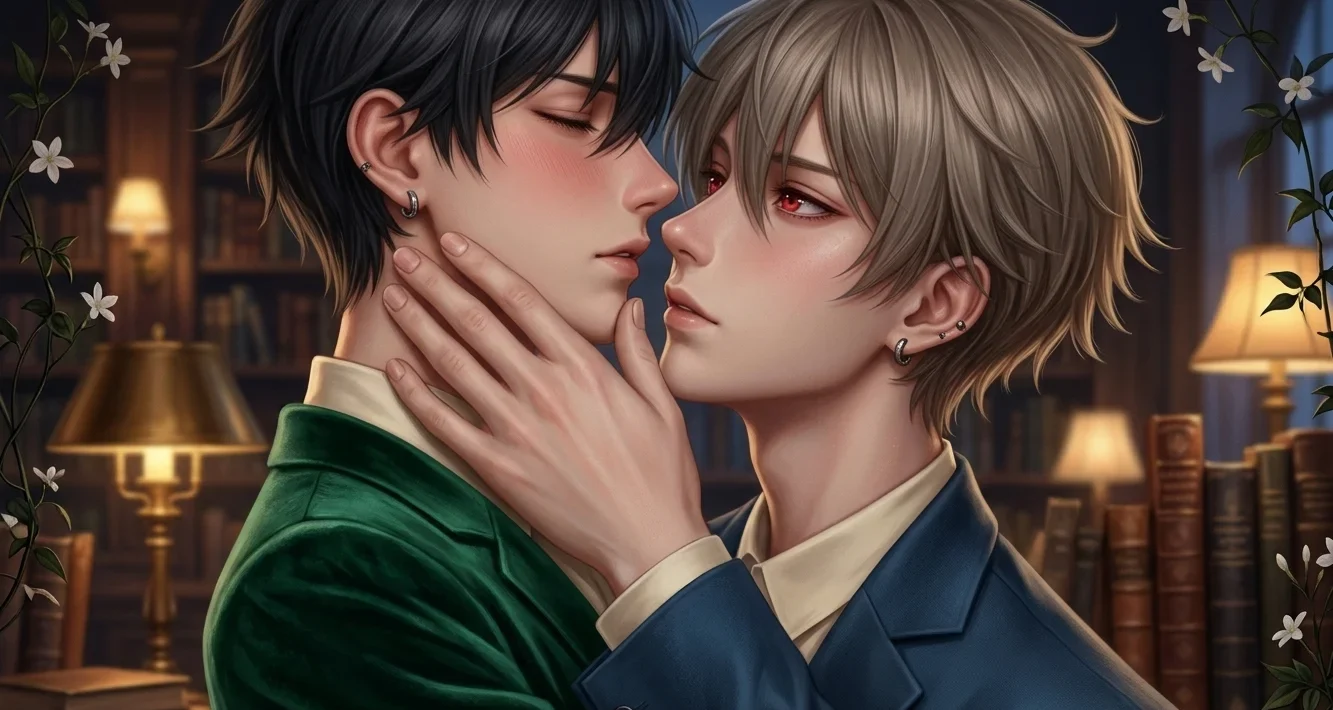
Yaoi manga is a genre of Japanese comics that focuses on romantic and emotional relationships between male characters. The stories range from sweet, slow-burn romances to dramatic narratives with mature content, and they span nearly every other genre — from fantasy and sci-fi to contemporary slice-of-life.
The word “yaoi” originally came from a Japanese acronym: yama nashi, ochi nashi, imi nashi — which roughly translates as “no peak, no point, no meaning.” Early readers used it humorously to describe fan-made comics that prioritized character relationships over plot. Over time, the term was adopted by publishers and fans worldwide to describe the entire genre.
Within yaoi manga, readers find established character archetypes, relationship dynamics, and storytelling patterns that give the genre its distinctive feel. Understanding these elements makes jumping into any series much easier.
What makes yaoi manga distinctive:
- Emotional depth — Character relationships and internal conflict take center stage, often with detailed psychological development
- Genre crossover — Yaoi manga appears inside fantasy, historical, sports, horror, and office settings — it is not limited to one tone or era
- Global reach — Licensed yaoi manga now sells in North America, Europe, Southeast Asia, and Latin America in translated editions
- Doujinshi roots — Much of yaoi manga history runs through fan-published doujinshi, which created the early community and conventions around the genre
2. How Did Yaoi Manga Start? A Quick History
Yaoi manga did not appear from nowhere. It grew from a specific creative tradition inside Japanese manga publishing that began in the early 1970s. Understanding that lineage helps explain why the genre looks and feels the way it does.
The “Year 24 Group” and Shōnen-Ai
In the early 1970s, a generation of female manga artists born around 1949 — informally called the “Year 24 Group” or Hana no 24-nen Gumi — began publishing pioneering work in girls’ manga (shōjo) magazines. Artists like Moto Hagio and Keiko Takemiya introduced male-male romantic relationships in titles such as Toma no Shinzou (1974) and Kaze to Ki no Uta (1976). These stories were emotional, literary, and often set in European boarding schools — a deliberate distance from everyday Japanese reality that allowed the exploration of relationships outside conventional norms.
This early era produced what readers now call shōnen-ai — stories focused on romantic feelings and emotional intensity between young male characters, typically without explicit content.
The Rise of Doujinshi in the 1980s
Through the 1980s, female fans began creating their own unofficial manga based on popular series. At events like Comiket — Japan’s massive self-published comics fair — thousands of these fan works (doujinshi) circulated, many focusing on romantic pairings between male characters from mainstream anime and manga. This fan culture built the community that would eventually support professional yaoi manga publishing.
Historical note: Comiket, founded in 1975, played a direct role in shaping yaoi manga culture. By the 1980s, BL doujinshi made up a substantial share of the works sold at the event, creating a ready audience for commercial publications.
Commercial Publishing in the 1990s
The 1990s saw dedicated yaoi manga magazines launch from Japanese publishers. Magazines like June (founded 1978, fully pivoting to BL by the 1980s) and Be x Boy (1992) gave professional artists a home for original yaoi manga content. This decade also saw the term “boys’ love” (BL) become the preferred commercial label among publishers — a distinction explored in the next section.
International Growth: 2000s to Present
Starting in the early 2000s, North American publishers like Tokyopop and later Digital Manga Publishing (DMP) began licensing and translating yaoi manga for English-speaking markets. The internet then accelerated everything — scanlation communities, fan forums, and eventually legal streaming platforms brought yaoi manga to readers worldwide without requiring a physical manga shop.
3. Yaoi vs. Boys’ Love: What Is the Real Difference?
The terms “yaoi” and “boys’ love (BL)” are often used interchangeably — especially outside Japan — but inside the Japanese publishing industry, they carry slightly different meanings.
| Term | Origin | Primary Use | Content Range | Where You’ll See It |
|---|---|---|---|---|
| Yaoi | Fan community (1970s–80s) | International audiences, older fan communities | Often implies explicit/mature content | Western fan sites, older forums |
| Boys’ Love (BL) | Japanese publishing industry (1990s) | Commercial publishing, Japan domestic market | Full range — sweet romance to explicit | Japanese publishers, licensed editions |
| Shōnen-ai | Fan terminology | Non-explicit male-male romance | Romance without explicit scenes | Fan communities |
| Tanbi | Literary tradition | Aesthetically literary BL work | Emotional, lyrical, often dark | Magazine June and descendants |
In practice, most English-speaking readers use “yaoi manga” and “boys’ love manga” to mean the same thing. Publishers outside Japan tend to use “BL” on their official product listings, while fan communities still favor “yaoi.” Neither term is wrong — they simply reflect different contexts.
4. What Are the Main Yaoi Manga Subgenres?
Yaoi manga is not a single, uniform thing. It branches into distinct subgenres that appeal to very different reader preferences. Knowing which subgenre fits your mood makes finding the right series much faster.
Fluffy / Sweet BL Lighthearted, low-conflict romances focused on warmth and joy. Perfect entry point for new readers. Typical titles run short and resolve happily.
Dark BL Explores intense psychological themes, moral complexity, and difficult power dynamics. Often longer, with significant character development arcs.
Fantasy / Isekai BL Male-male romance set in fantasy worlds, magical settings, or alternate-world scenarios — a hugely popular fusion category since the 2010s.
Office / Adult BL Stories set in professional workplace environments. Characters are adults navigating careers and romance simultaneously — mature tone, realistic stakes.
School / Campus BL Coming-of-age stories set in high schools or universities. Focuses on first love, identity discovery, and adolescent emotional complexity.
Historical BL Stories set in feudal Japan, ancient China, medieval Europe, or other past eras. The historical setting adds unique tension and visual richness.
Omegaverse: A Subgenre of Its Own
The omegaverse subgenre deserves special mention because it has become one of the most popular frameworks in modern yaoi manga. Originating in English-language fanfiction around 2010, omegaverse builds a fictional biology around “alpha,” “beta,” and “omega” classifications, creating social hierarchies and biological dynamics that drive intense dramatic and romantic storylines. The format was swiftly adopted by Japanese publishers, and there are now specialized omegaverse manga magazines.
5. Top Yaoi Manga Series Every Fan Should Know
The following series represent different eras and styles within yaoi manga. Together they give a solid picture of what the genre offers across its history and subgenres.
| Title | Author | Subgenre | Why It Matters | Best For |
|---|---|---|---|---|
| Finder Series | Ayano Yamane | Dark BL | Long-running flagship; defined yaoi manga aesthetics in the 2000s | Experienced readers |
| Junjou Romantica | Shungiku Nakamura | Multi-couple | One of the best-known licensed yaoi manga worldwide; multiple anime adaptations | New readers, casual fans |
| Given | Natsuki Kizu | Music / Slice-of-life | Modern critical darling; emotionally grounded; anime adaptation 2019 | All audiences |
| Kaze to Ki no Uta | Keiko Takemiya | Classic / Historical | Foundational text of the entire genre; written 1976–1984 | History-minded readers |
| Our Dining Table | Mita Ori | Sweet / Slice-of-life | Acclaimed for warmth; widely recommended as a gentle first read | First-time BL readers |
| Loveless | Yun Kouga | Psychological / Dark | Distinctive worldbuilding and layered psychological themes | Literary manga fans |
| Yes, No, or Maybe? | Michi Kaoru | Media / Contemporary | Set in the TV world; praised for adult professional characters | Office BL fans |
| Ten Count | Rihito Takarai | Psychological | Mental health themes handled with genuine care; massive international following | Character-driven readers |
Did you know? Given by Natsuki Kizu won the 2019 Manga Taisho Award, one of Japan’s most prestigious manga prizes — making it one of the first openly BL titles to receive mainstream industry recognition at that level.
6. What Tropes Appear Most in Yaoi Manga?
Every popular genre has recognizable patterns, and yaoi manga is no different. These recurring story elements are part of what makes the genre feel cohesive — and what long-time readers either love or deliberately seek alternatives to.
Seme and Uke Dynamics
The most discussed framework in yaoi manga is the seme/uke pairing. The seme (literally “one who attacks”) typically takes the more dominant, assertive role in the relationship, while the uke (literally “one who receives”) is the more emotionally expressive, often more vulnerable partner. These roles originated from older yaoi conventions and still appear widely — though modern yaoi manga increasingly challenges or subverts them.
- Classic seme/uke: sharp aesthetic contrast between characters — one tall and composed, the other smaller and expressive
- Reversed dynamic (gyaku-CP): deliberately flips expected roles, often for comedic or dramatic effect
- Equal dynamic: both characters share power and emotional vulnerability equally — more common in contemporary work
Other Common Story Patterns
- The tsundere love interest who hides feelings behind hostility
- Rivals-to-lovers arcs in school or sports settings
- Boss-subordinate forbidden romance in office BL
- Childhood friends who reunite as adults
- The arranged or forced proximity situation
- The stoic character awakened by an earnest, warm protagonist
- Secret identity or double-life reveals
- Protective jealousy scenes
- The “pining from a distance” slow burn
- Omegaverse biology-driven tension
What separates high-quality yaoi manga from formulaic work is how it handles these familiar building blocks. The best titles use recognizable tropes as a starting point, then layer in genuine emotional complexity that keeps readers truly invested.
7. Who Actually Reads Yaoi Manga?
The audience for yaoi manga is far more diverse than early assumptions suggested. While the genre was historically marketed to heterosexual women in Japan — and that demographic remains significant — real readership data tells a broader story.
The Traditional Core Audience
In Japan, BL publishers historically targeted young women (typically ages 15–35), and the genre term fujoshi (loosely translated as “rotten girl,” reclaimed affectionately by fans) described this reader base. Dedicated BL manga cafés, specialty retailers like Animate, and annual BL-specific rankings in Japanese bookstores all catered to this market.
How the Audience Has Shifted
Research from Yomiuri Online and independent surveys of BL readers conducted in the 2010s–2020s found that the audience had diversified considerably. Gay, bisexual, and queer male readers represented a meaningful share of regular BL readers, as did non-binary and transgender readers who connected with the genre’s flexible approach to gender performance and identity. Western fandom also skews notably more diverse in gender and orientation than the historical Japanese market model assumed.
Important context: Modern yaoi manga increasingly reflects this broader audience. More series now feature explicitly gay male characters written with input from LGBTQ+ sensitivity readers, and queer publishing imprints in Japan — such as Shodensha’s Marble Comics — have become major forces in the industry.
Age Range and Platform Behavior
Younger readers (ages 16–24) dominate digital platform engagement for yaoi manga, while readers 25–40 show higher print purchase rates. The shift to smartphones has brought yaoi manga to audiences who never visited a manga specialty store — a key driver of global growth through the 2010s and 2020s.
8. Where Can You Legally Read Yaoi Manga Online?
Legal reading options for yaoi manga have expanded dramatically. Supporting official channels keeps creators paid and licenses active — which is what makes new translations possible.
| Platform | Type | Content Level | Cost | Best For |
|---|---|---|---|---|
| Futekiya | Subscription streaming | BL all ratings | Monthly subscription | Deep catalog access |
| Renta! | Pay-per-title rental/purchase | BL including adult | Per-chapter or per-volume | Specific titles only |
| Manga UP! | Free + premium | All-ages to teen BL | Free with ads; tickets for premium | Budget-conscious readers |
| Viz Media / SuBLime | Purchase / subscription | Licensed BL titles | Per-volume purchase | Publisher-backed editions |
| BookWalker | Digital purchase | Full BL catalog | Per-volume purchase | Building a permanent library |
| Coolmic | Subscription + per-chapter | BL including adult | Mixed model | Mature BL content |
For physical copies, licensed English-language yaoi manga is available through publishers including SuBLime Manga (Viz Media’s BL imprint), Seven Seas Entertainment, Tokyopop, and Kodansha USA. Most major online retailers carry their catalogs.
9. How Has Yaoi Manga Influenced Global Pop Culture?
Yaoi manga’s reach extends far beyond its own genre. It has shaped fanfiction, anime production, queer media representation, and mainstream publishing conversations in ways that are easy to underestimate.
The Fanfiction Connection
Archive of Our Own (AO3), the world’s largest fanfiction archive, consistently shows male/male pairings as the most-tagged relationship type across its millions of works. Much of this culture traces directly to the aesthetic traditions that yaoi manga established — the emotional vocabulary, the visual language, the character archetypes. Researchers including those at the University of Tokyo’s manga studies faculty have noted the direct pipeline between BL doujinshi culture and global fanfiction communities.
Influence on Mainstream Anime and Manga
Several mainstream anime and manga series have deliberately incorporated elements that appeal to BL fans without being explicitly categorized as yaoi manga. Series like Yuri!!! on Ice (2016) broke new ground by featuring a canonical same-sex relationship in what was marketed as a mainstream sports anime, achieving record-breaking home video sales in Japan and extraordinary international viewership.
Publishing Industry Shifts
The commercial success of BL manga has pushed Japanese publishers to develop dedicated imprints, BL-specific awards, and separate retail shelving categories. This market infrastructure now supports hundreds of working artists and writers whose primary output is yaoi manga content — a far cry from the genre’s doujinshi origins.
Global impact: According to Oricon chart data, BL manga titles regularly appear in Japan’s top-selling manga rankings alongside mainstream shōnen titles — a commercial milestone that would have seemed impossible in the genre’s early decades.
Representation and Criticism
Yaoi manga’s relationship with LGBTQ+ representation is genuinely complex. Critics — including many queer readers and scholars — have raised fair concerns about works that romanticize non-consensual scenarios, rely on stereotypes, or treat gay identity as a genre device rather than lived experience. These critiques have driven real change: contemporary yaoi manga increasingly features healthier relationship portrayals, character self-awareness about sexuality, and creative collaboration with LGBTQ+ communities. The conversation is ongoing, active, and important for the genre’s growth.
10. How a New Reader Can Begin Reading Yaoi Manga
Walking into yaoi manga without any direction can feel overwhelming because the catalog is enormous. A structured starting approach saves time and gets you to the titles you will actually enjoy faster.
Step 1 — Identify Your Comfort Level With Content
Yaoi manga exists on a clear content spectrum. All-ages and teen-rated BL focuses purely on romantic tension and emotional connection. Older-teen ratings add mild physical affection. Adult-rated yaoi manga includes explicit sexual content. Most legal platforms rate and label their content clearly, so choosing the right starting point is straightforward.
Step 2 — Pick a Genre You Already Enjoy
Start with fantasy BL if you have already read fantasy manga. If you prefer contemporary slice-of-life, begin there. Since yaoi manga crosses nearly every genre, your existing preferences are an excellent guide. Starting in familiar genre territory lets you focus on enjoying the relationship storytelling rather than adjusting to an unfamiliar setting at the same time.
Step 3 — Start With These Beginner-Friendly Titles
- Given (Natsuki Kizu) — music-themed, gentle pacing, brilliant emotional storytelling, non-explicit
- Our Dining Table (Mita Ori) — warm, food-themed, short, and deeply healing read
- Sasaki and Miyano (Shou Harusono) — school setting, meta-aware of BL tropes, charming and accessible
- Blue Flag (KAITO) — explores sexuality and identity in a high school setting with nuance and warmth
- Dakaichi: I’m Being Harassed by the Sexiest Man of the Year (Hashigo Sakurabi) — for readers wanting a faster-paced, dramatic romance
Step 4 — Engage With the Community
Yaoi manga fandom has thriving communities on Reddit (r/boyslove), Twitter/X, Tumblr, and Discord servers dedicated to specific series or publishers. These communities offer reading recommendations, discussion spaces, and direct connections with other fans. Most major publishers also maintain official social accounts with regular new-release announcements.
Reader tip: SuBLime Manga (Viz Media’s BL imprint) maintains a “New to BL?” reading guide on their official website with curated beginner recommendations — a reliable starting point built directly by the publisher.
Frequently Asked Questions About Yaoi Manga
Q: Is yaoi manga only for women?
No — yaoi manga has a genuinely diverse readership that includes men, non-binary readers, and people of all sexual orientations.
Q: What is the difference between yaoi manga and BL manga?
Both terms describe male-male romantic manga — “BL” is the modern publishing industry label, while “yaoi” is the older fan community term.
Q: Is all yaoi manga explicit or adult-rated?
No — yaoi manga exists across the full content spectrum, from all-ages sweet romance to explicit adult content.
Q: What does “seme” and “uke” mean in yaoi manga?
Seme is the more dominant partner in the relationship; uke is the more receptive or emotionally expressive partner — a classic character dynamic that modern yaoi manga increasingly challenges.
Q: Where should an absolute beginner start with yaoi manga?
Start with Given by Natsuki Kizu or Sasaki and Miyano by Shou Harusono — both are widely available, non-explicit, and written with genuine emotional depth.
Q: Is reading yaoi manga legal outside Japan?
Yes — licensed yaoi manga is legally sold and distributed in North America, Europe, and many other regions through official publishers and digital platforms.
The Genre Keeps Growing — and So Does the Reading List
Yaoi manga has traveled a long road from underground doujinshi circles to mainstream bookstore shelves worldwide. The genre earned that reach by consistently delivering what readers actually want: stories about human connection, emotional complexity, and relationships that feel real — even when they are set in fantasy kingdoms or office boardrooms.
The best entry point is always the title that sits in a genre you already enjoy. Pick one from the list above, open it on a legal platform, and give it three chapters. Most readers who find “their” yaoi manga series discover it by simply starting — not by planning.
Primary Sources & Further Reading
- Welker, James. “A Brief, Humble History of Boys Love Manga.” Boys Love Manga and Beyond, University Press of Mississippi, 2015.
- Noh, Sueen. “Interpreting Fujoshi as a Group Forming Identity: Fan Fiction and Boys’ Love in Japan.”Transformative Cultures and Works, Vol. 12, 2013.
- Nagaike, Kazumi. “Perverse Sexualities, Perversive Desires: Representations of Female Fantasies and Yaoi Manga as Pornography Directed at Women.” U.S.-Japan Women’s Journal, University of Hawaii Press.
- McLelland, Mark J. “The Love Between ‘Beautiful Boys’ in Japanese Women’s Comics.” Journal of Gender Studies, Vol. 9, Issue 1, 2000.
- Oricon Inc. Annual BL Manga Market Report, 2023.
Author: Mia Kato — Manga Culture Specialist | Fact-checked May 2025